The 24VDC power relay is a crucial component in various electrical and electronic systems, serving as an electrically operated switch that can control the flow of electricity in a circuit. Relays are particularly valuable in applications requiring the management of high voltages or currents, allowing for both safety and operational efficiency. In this article, we will explore the working principles, key features, applications, and advantages of using 24VDC power relays.
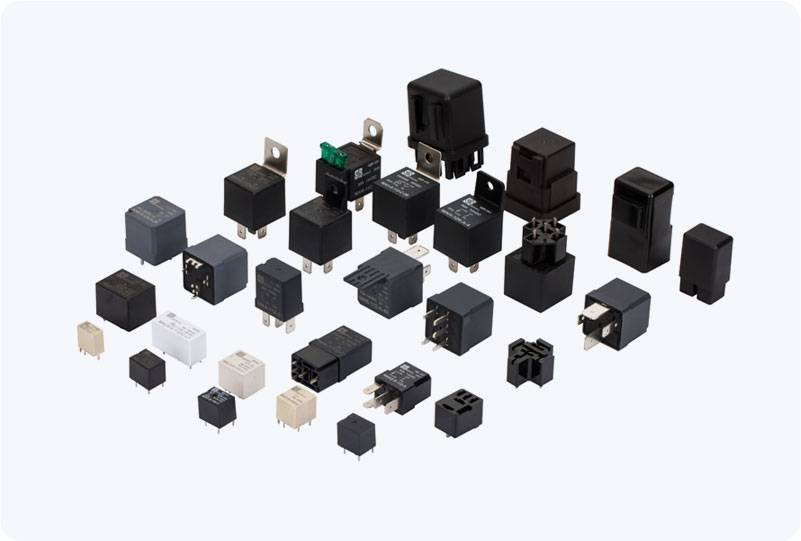
Working Principles At its core, a 24VDC power relay operates using electromagnetic principles. It consists of an electromagnetic coil, armature, spring, and one or more sets of contacts. When a 24VDC voltage is applied to the coil, an electric current flows through it, generating a magnetic field. This magnetic field exerts force on the armature, pulling it toward the coil and effectively closing the relay’s contacts. Consequently, this action completes the circuit, allowing current to flow through the connected load. Once the voltage is removed, the magnetic field dissipates, the spring returns the armature to its original position, and the contacts open, disconnecting the load.