In any industrial environment, safety is paramount. One of the most effective safety procedures used in factories, power plants, and other workplaces with machinery is the Lockout-Tagout (LOTO) system. A crucial component of the LOTO procedure is the use of specialized equipment, including LOTOTO locks. These locks are not only vital for worker safety but are also essential for ensuring compliance with safety regulations like OSHA (Occupational Safety and Health Administration). In this article, we will explore what LOTOTO locks are, their significance, how they work, and the key features to consider when choosing them for your facility.
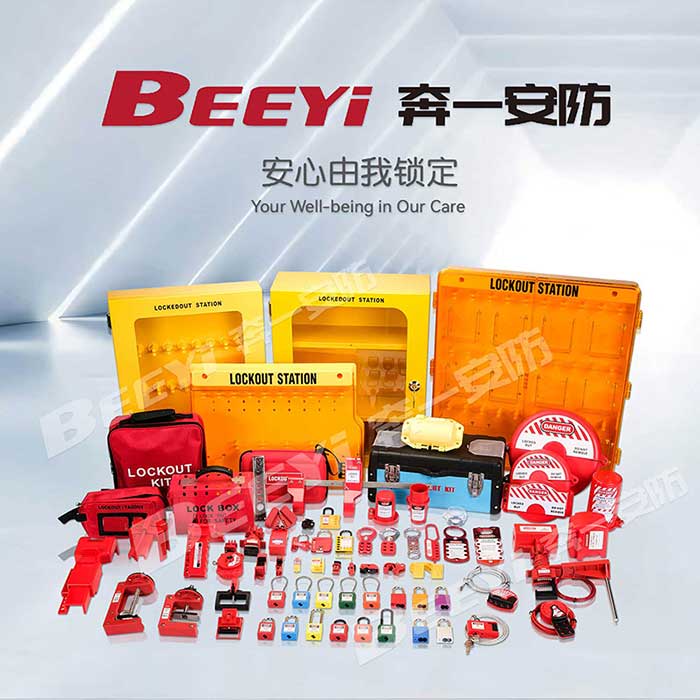
What are LOTOTO Locks? LOTOTO locks are specialized locks used as part of the Lockout-Tagout (LOTO) procedure. This procedure is designed to prevent the accidental release of hazardous energy during the maintenance or servicing of equipment. When a machine or system is being serviced, workers must isolate it from its power source—be it electrical, mechanical, hydraulic, or pneumatic. To ensure that the system remains isolated and cannot be turned back on by mistake, LOTOTO locks are applied to energy control points such as electrical panels, valves, or circuit breakers. The term “LOTOTO” stands for Lockout-Tagout-Tryout, an expanded version of the standard Lockout-Tagout procedure that includes the critical step of “Tryout,” where workers verify that the system is fully isolated and cannot be re-energized. This ensures that no energy is unintentionally released, protecting workers from injury or fatal accidents.