In modern construction, efficient management of water supply systems is crucial for both residential and commercial buildings. One of the key components that ensure smooth and automated water distribution is the Building Water Supply Solenoid Valve. This device is widely used in various applications, ranging from simple residential plumbing systems to more complex industrial and commercial setups. In this article, we will explore what a solenoid valve is, its working principle, applications, and how it contributes to the efficiency of water management systems in buildings.
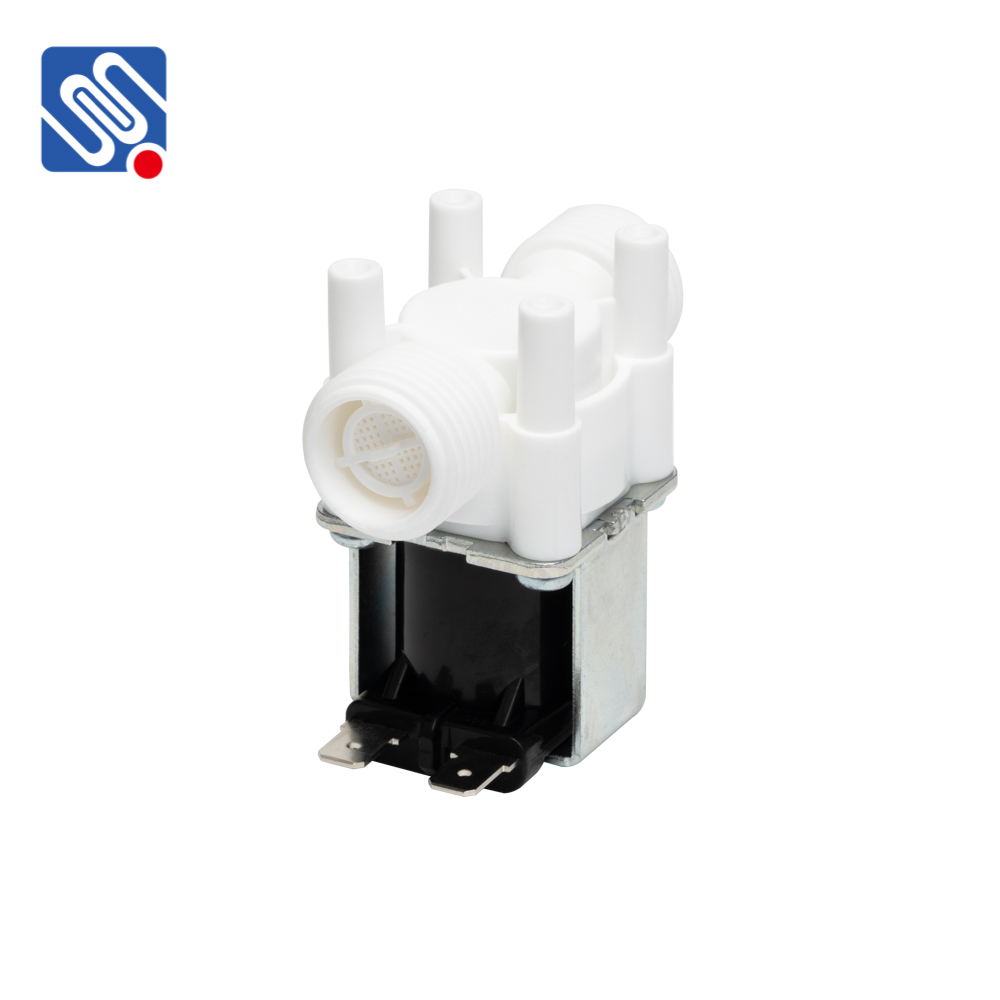
What is a Building Water Supply Solenoid Valve? A Building Water Supply Solenoid Valve is an electrically operated valve used to control the flow of water within a building’s plumbing system. It works by using an electromagnetic solenoid to open or close the valve, thereby regulating water flow. When an electric current is passed through the solenoid, a magnetic field is created that either opens or closes the valve, depending on the design. This mechanism allows for precise and remote control of water flow, offering significant advantages over manual control valves. Working Principle