Electromagnetic relays are critical components in a variety of electrical systems, serving as electromechanical switches that control the operation of circuits. Whether it’s in an industrial automation system, home appliances, or telecommunications devices, the role of the electromagnetic relay is indispensable in providing both safety and functionality to electrical systems. This article will explore the basic principle, construction, and applications of electromagnetic relays, highlighting their significance in today’s technology.
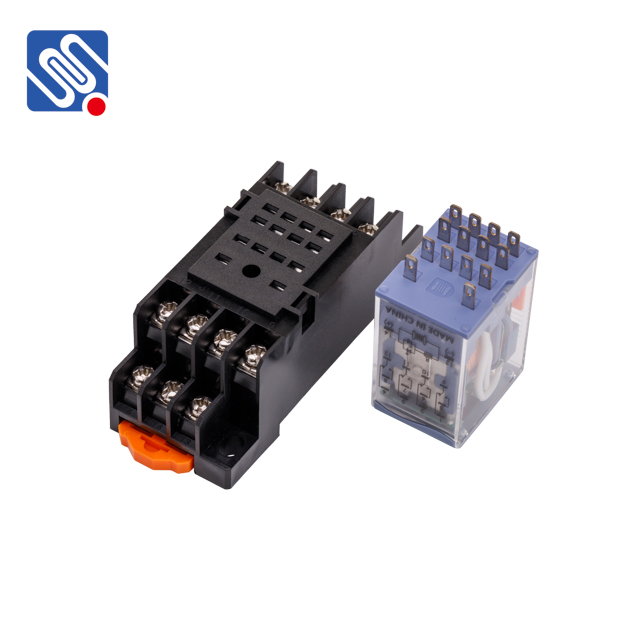
Principle and Construction of Electromagnetic Relays At the heart of an electromagnetic relay is an electromagnet, a coil of wire wound around a metal core. When an electric current passes through the coil, it generates a magnetic field, which in turn attracts a metal armature. The armature is connected to one or more mechanical contacts that control the opening and closing of a circuit. This simple mechanism is the essence of how a relay operates. An electromagnetic relay typically consists of four main parts: Electromagnet (Coil): The coil is the part that generates the magnetic field when current is passed through it.