In industries where flammable gases, vapors, or dust are present, safety is of utmost importance. The risks associated with working in hazardous locations necessitate specialized equipment designed to operate without creating ignition sources. Among these critical devices, the Hazardous Area Relay plays a pivotal role in ensuring operational safety and efficiency. This article aims to explore the significance, functionality, and applications of Hazardous Area Relays, shedding light on why they are indispensable in hazardous environments.
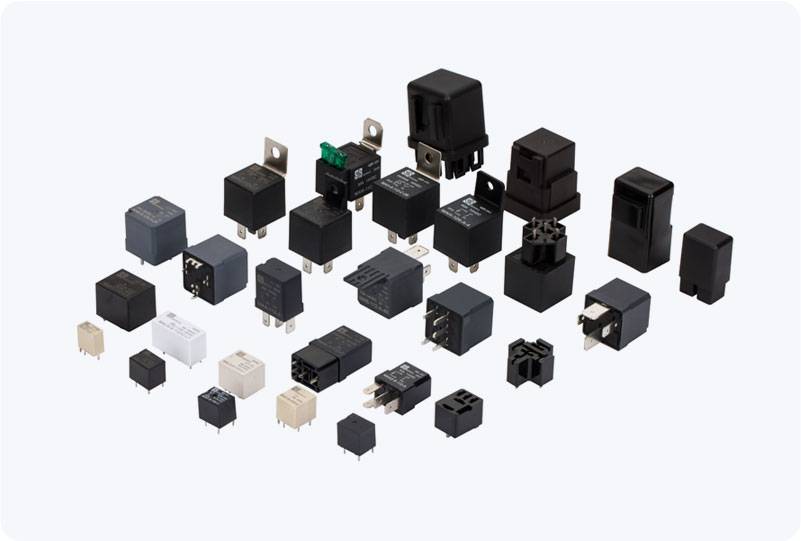
What is a Hazardous Area Relay? A Hazardous Area Relay is an electrical relay specifically designed for use in locations classified as hazardous due to the presence of flammable gases, vapors, or dust. These devices are engineered to prevent the ignition of explosive atmospheres that can arise in such working environments. The design and construction of these relays adhere to strict international and national safety standards, ensuring that they do not pose a hazard themselves. How Hazardous Area Relays Work Hazardous Area Relays are employed to control electrical circuits by opening or closing the circuit in response to varying input signals. They work similarly to standard relays but include additional safeguards to mitigate risks in potentially explosive atmospheres. Some critical functionalities of Hazardous Area Relays include: