In the realm of modern agriculture and landscaping, precision irrigation has become a crucial component in managing water resources effectively. Central to these advanced irrigation systems is the Watering System Solenoid Valve, a device that plays a pivotal role in automating the process of watering plants, lawns, and gardens. This article delves into the functionality, applications, advantages, and considerations of using solenoid valves in watering systems.
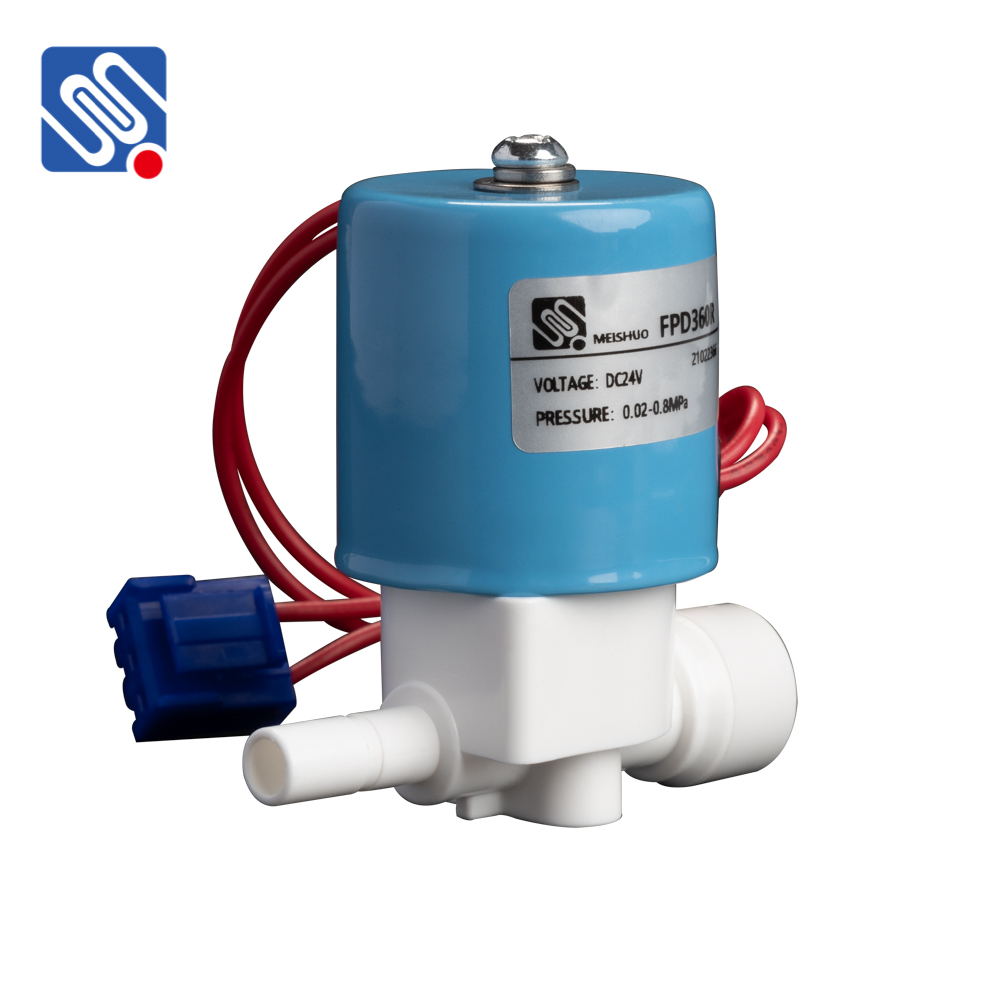
What is a Watering System Solenoid Valve? A Watering System Solenoid Valve is an electromechanical device that controls the flow of water in irrigation systems. Comprising a coil, a valve body, and a movable core known as a plunger, the solenoid valve operates on the principle of electromagnetism. When electrical current flows through the coil, it generates a magnetic field that moves the plunger, thereby opening or closing the valve to regulate water flow. How Does It Work? The operation of a solenoid valve is straightforward yet effective. The valve is usually connected to an irrigation controller or timer that sends an electrical signal to the solenoid. This signal activates the coil, creating a magnetic field that pulls the plunger upward, allowing water to flow through the valve. Conversely, when the electrical signal is interrupted, a spring mechanism returns the plunger to its original position, sealing the valve and stopping the water flow. This binary operation enables precise control over the watering schedule and amounts.