High Current Relays are critical components in various electrical systems that demand the management of significant power levels. These relays are designed to switch large currents and voltages, making them indispensable in both industrial and commercial applications. With the growing complexity of electrical designs and the need for reliable control over high-power devices, understanding the functionality, applications, and selection criteria of High Current Relays is essential for ensuring system effectiveness and safety.
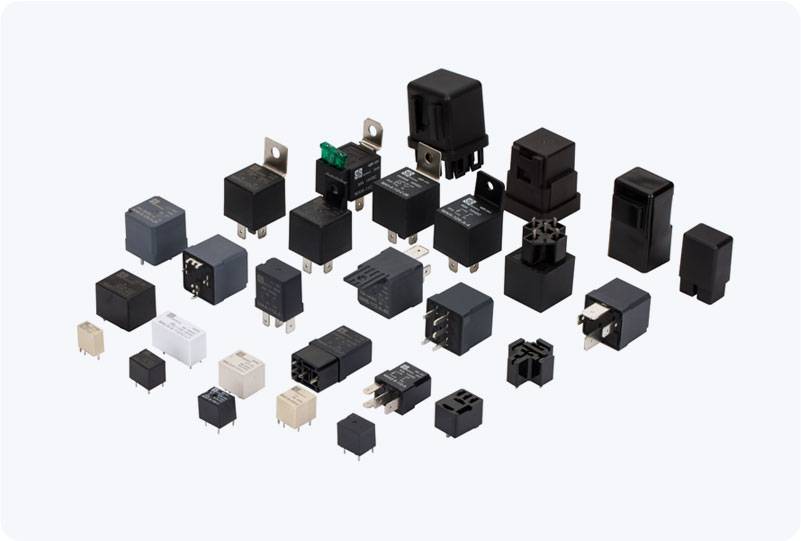
Functionality of High Current Relays The primary function of a High Current Relay is to control electrical circuits by opening or closing contacts in response to a low-power signal. This is achieved through electromagnetic induction. When a current passes through the relay’s coil, it generates a magnetic field that attracts a movable armature to either make or break the connection at the contacts. Typically, High Current Relays consist of several key components: the coil, the armature, the spring mechanism, and the contacts. High Current Relays come in various configurations, including electromagnetic relays and solid-state relays (SSRs). Electromagnetic relays have moving parts and are suitable for a wide range of applications, while SSRs, which operate without moving components, offer faster switching and improved longevity, especially in high-frequency applications.