In modern electrical engineering, the demand for reliable and efficient switchgear has led to significant advancements, particularly in the realm of high-voltage control applications. One of the standout innovations is the Solid-State High Voltage Relay (HV Relay). Unlike conventional electromagnetic relays, Solid-State HV Relays leverage semiconductor technology to perform switching operations, delivering a host of benefits that enhance performance and reliability in various applications.
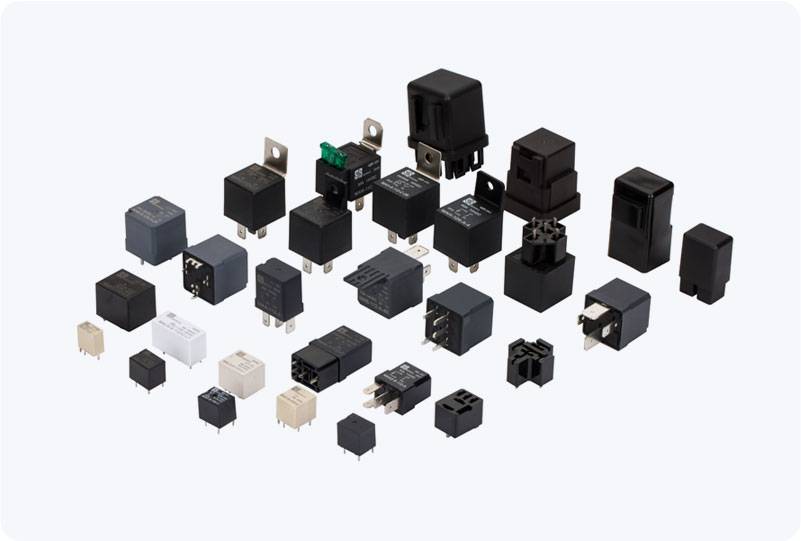
What is a Solid-State HV Relay? A Solid-State HV Relay is an electronic switching device that utilizes semiconductor components—such as thyristors, transistors, and diodes—to control the power delivered to a load without any mechanical moving parts. This characteristic distinguishes it from traditional electromechanical relays, which rely on mechanical contacts to open and close circuits. The solid-state design provides numerous advantages, including faster switching speeds, improved durability, and lower operational noise. Advantages of Solid-State HV Relays Durability and Longevity: Given that there are no moving parts in a Solid-State HV Relay, wear and tear are substantially minimized. This inherent durability leads to a significantly extended lifespan, in many cases exceeding that of mechanical relays by several orders of magnitude.