In the world of electrical engineering and automation, the general-purpose relay stands out as one of the most important components. These electromechanical devices serve a critical function in controlling circuits and managing a variety of electrical applications. This article will delve into the working principles, characteristics, applications, and advantages of general-purpose relays to provide a comprehensive understanding of their significance in modern electrical systems.
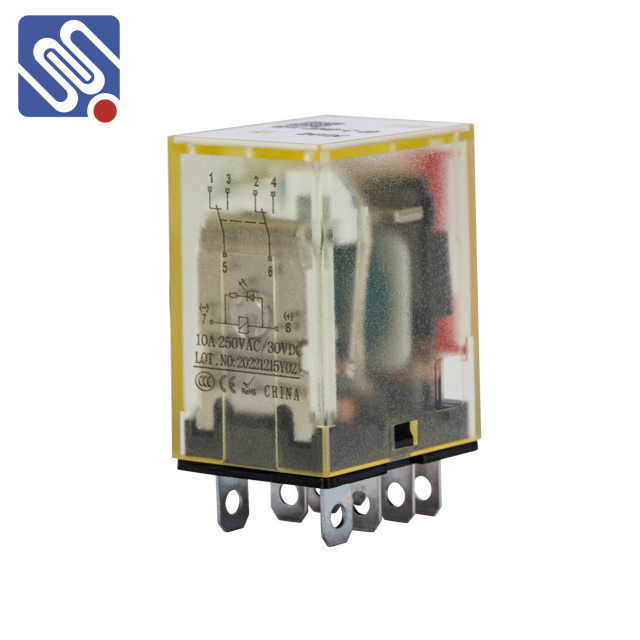
What is a General-purpose Relay? A general-purpose relay is an electromagnetic switch utilized to open or close circuits as required. When an electrical current flows through the relay’s coil, it generates a magnetic field that attracts an armature connected to one or more contacts. Upon activation, these contacts either close (connecting the circuit) or open (disconnecting it), allowing the relay to control larger loads via a low-power electrical signal. Their ability to manage high electrical loads from a low-power signal makes them suitable for a wide range of applications. Working Principle