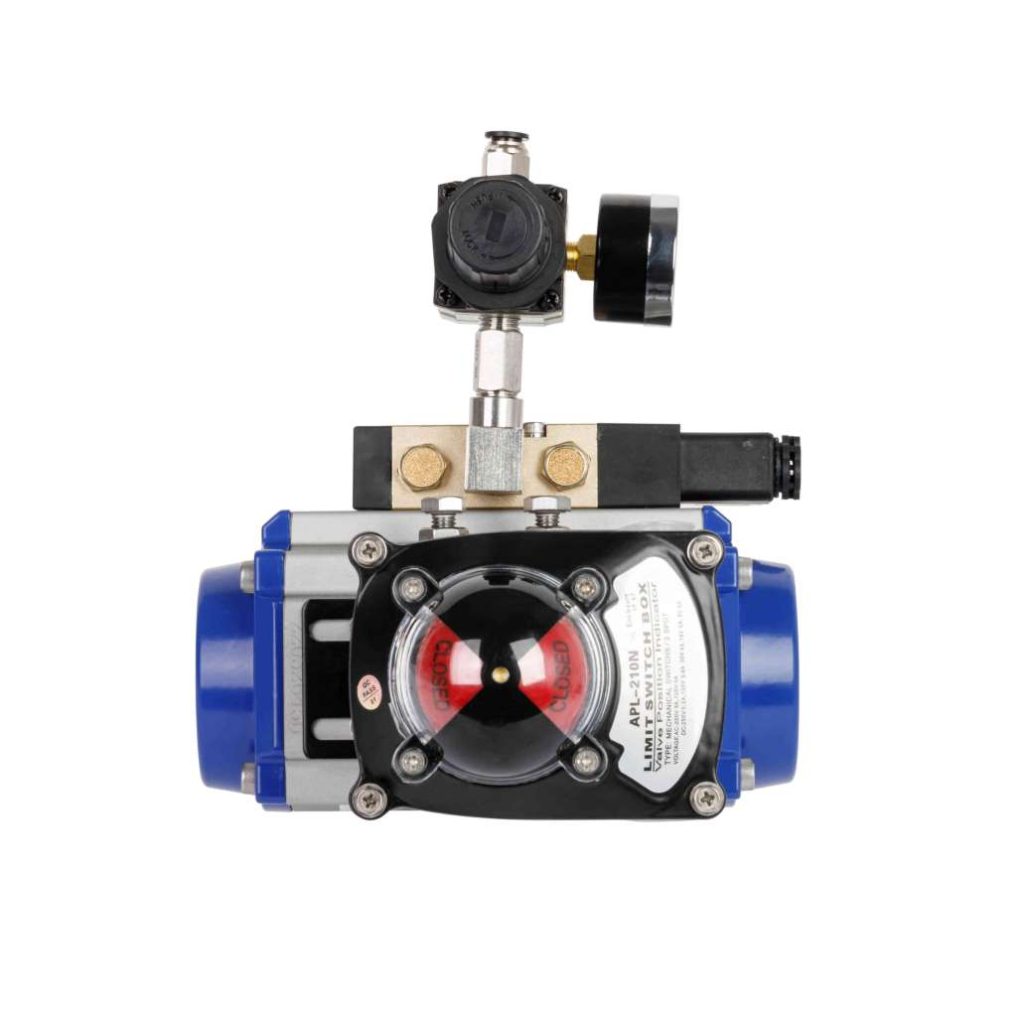
Pneumatic actuators are essential components in various industrial processes, enabling the conversion of compressed air into mechanical motion. They play a critical role in automation, providing precise control in a wide range of applications, from manufacturing to aerospace. This article delves into the mechanisms, applications, and benefits of pneumatic actuators, highlighting their significance in modern engineering.
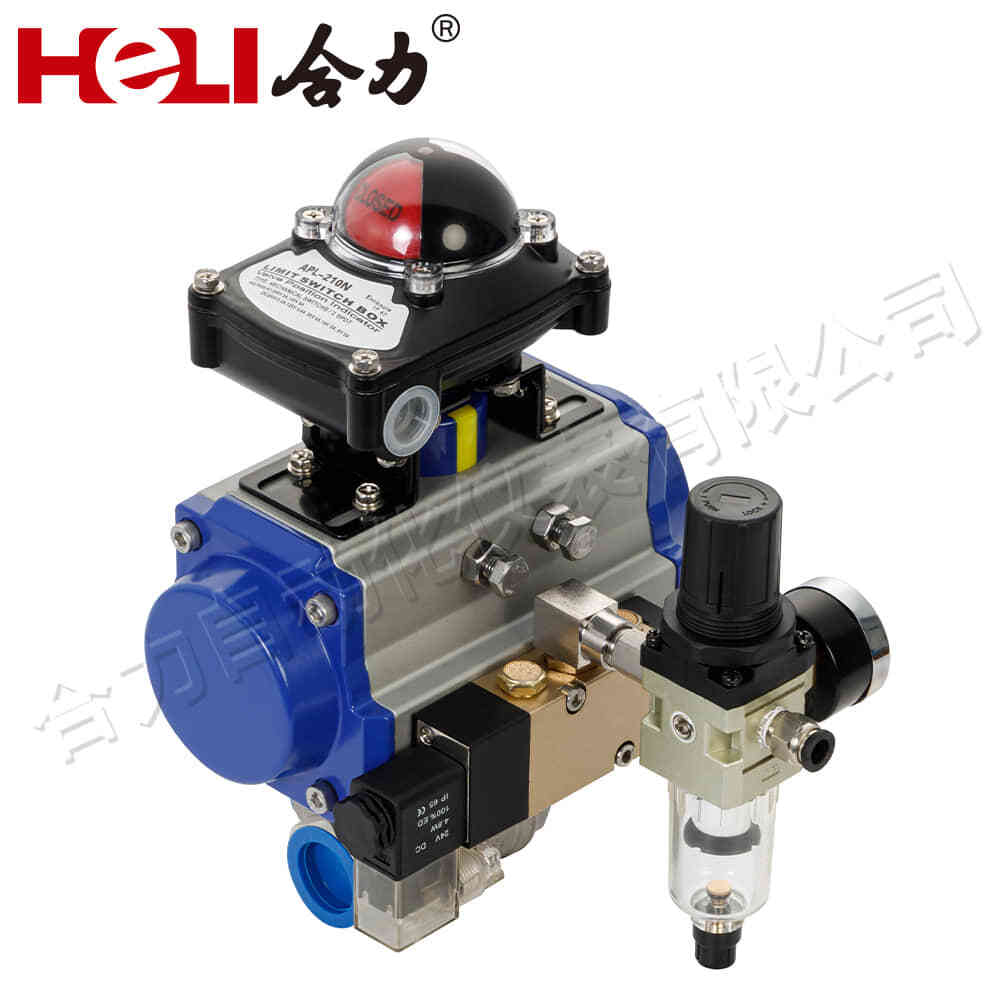
Mechanisms of Pneumatic Actuators
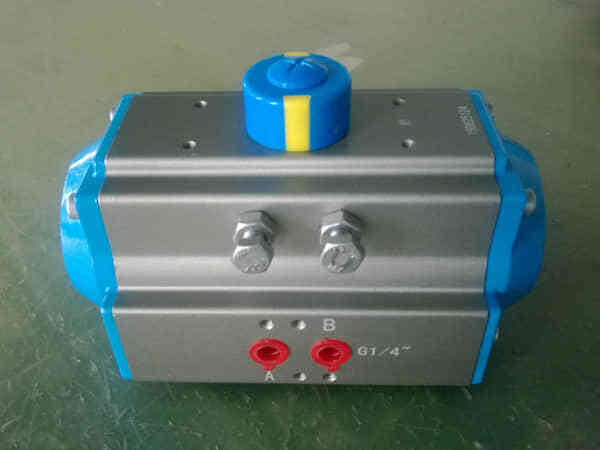
Pneumatic actuators operate by using compressed air to generate motion, which can be linear or rotary. The fundamental working principle involves the expansion of air in a cylinder, causing a piston to move. The key components of a pneumatic actuator include: Cylinder: This is the main housing where the piston moves. It is usually made of durable materials such as aluminum or stainless steel to withstand high pressures. Piston: The piston is a cylindrical component that moves within the cylinder, translating the force of compressed air into linear motion. Air Supply: A source of compressed air is essential for the operation of pneumatic actuators. This can be provided by air compressors or storage tanks.