In any workplace, ensuring the safety of employees, especially during the maintenance or repair of machinery, is crucial. One of the most important safety practices to achieve this is through equipment lockout tags. These tags are part of a larger safety procedure known as Lockout/Tagout (LOTO), which is designed to prevent machinery from being accidentally or intentionally turned on while workers are performing maintenance tasks. This article explores the purpose, importance, and application of equipment lockout tags in the workplace.
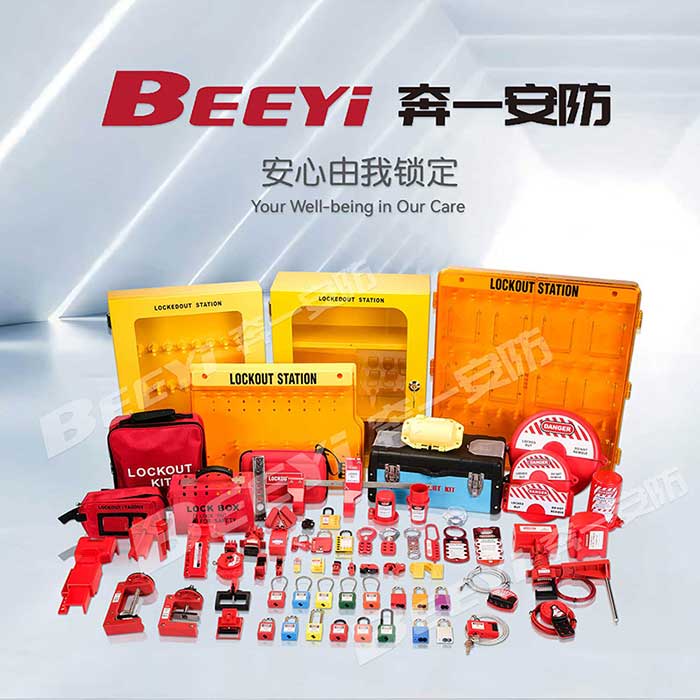
What are Equipment Lockout Tags? Equipment lockout tags are typically part of a comprehensive Lockout/Tagout (LOTO) system used to control hazardous energy during maintenance activities. The primary goal of these tags is to prevent equipment from being operated when it is unsafe, such as during servicing, repairs, or adjustments. A lock is physically placed on energy-isolating devices (such as switches or valves), while a tag is attached to provide a clear and visible warning. The tag itself is a warning notice that states the machine is locked out, often including the reason for the lockout and details about the person who performed it. Tags are often brightly colored and printed with bold text to ensure they are easily visible and understood by everyone in the workplace.