Relay drive is a fundamental concept in electrical and electronic engineering, allowing small control signals to switch large currents or voltages in a circuit. This technology is widely used in various applications, ranging from industrial automation to automotive systems, offering a convenient and efficient method to control heavy-duty electrical devices with low-power signals. In this article, we will explore the working principles of relay drive, its components, and its various applications.
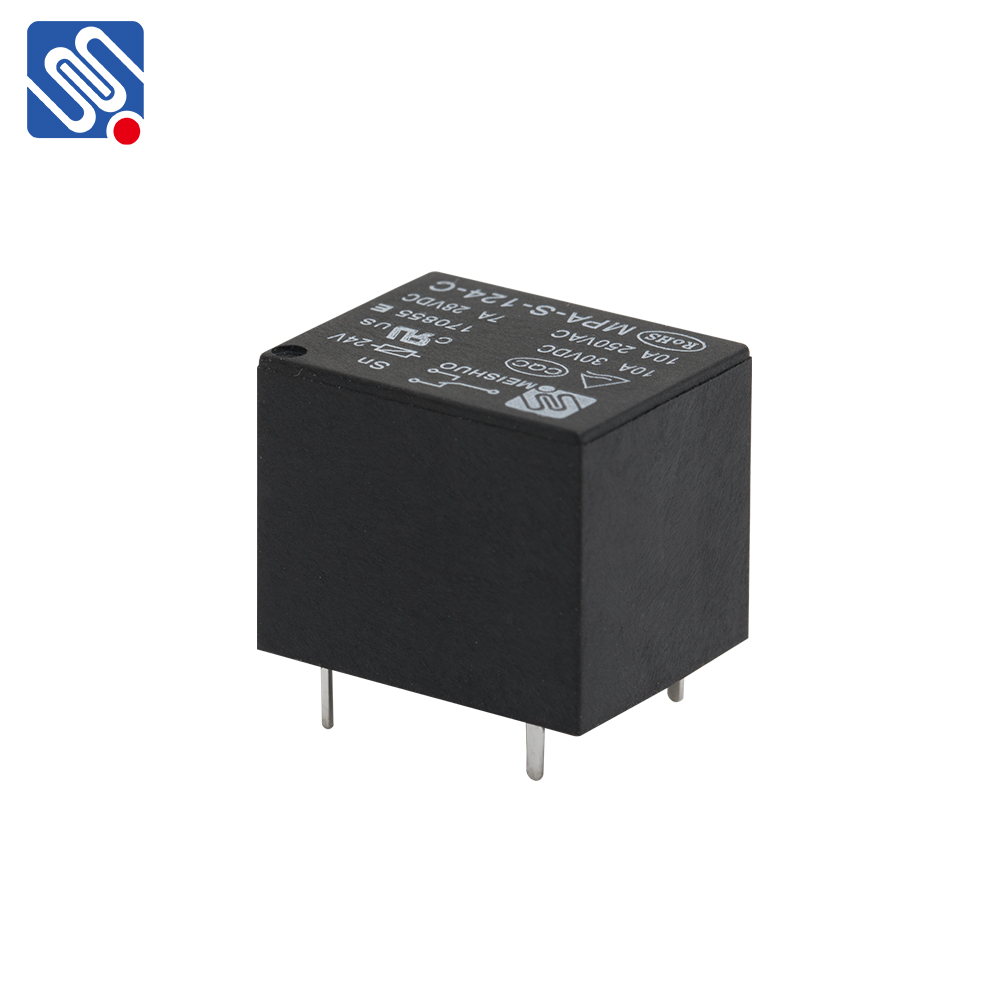
What is Relay Drive? A relay drive involves using a low-power control signal to activate a relay, which in turn controls the switching of a high-power load. A relay is essentially an electrically operated switch that can control circuits carrying higher currents or voltages. The relay consists of a coil (often an electromagnet), an armature, and contacts that open or close based on the activation of the coil. When a current passes through the coil, it generates a magnetic field, which attracts or releases the armature, causing the contacts to either close or open the circuit. The primary advantage of a relay drive is that it allows a small control circuit, such as a microcontroller or a sensor, to manage large electrical systems, such as motors, lights, or heating elements, without directly exposing the control system to high voltages or currents.