In today’s fast-paced industrial environment, ensuring the safety of employees during maintenance and repair operations is paramount. One effective way to enhance workplace safety is through the use of equipment lockout tags. These essential safety tools play a significant role in preventing accidental machine start-ups and ensuring that machines are properly decommissioned during maintenance. This article delves into the importance of equipment lockout tags, their components, and best practices for their effective implementation.
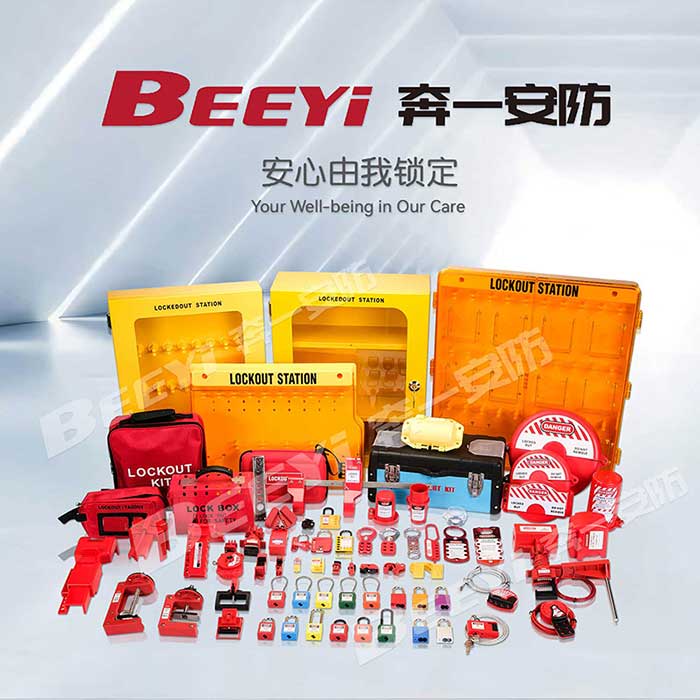
The Importance of Equipment Lockout Tags Equipment lockout tags serve as visual indicators that a machine or piece of equipment is out of service and should not be operated. They are a critical element of lockout/tagout (LOTO) procedures, which are designed to protect workers by ensuring that hazardous machinery is not energized while maintenance work is being performed. When used correctly, lockout tags can significantly reduce the risk of workplace injuries, create a safer environment, and promote compliance with occupational safety regulations. Accidents can occur in an instant; a moment of negligence can lead to serious injuries or even fatalities. Equipment lockout tags provide a systematic method for controlling hazardous energy sources, ensuring that workers can carry out their tasks without fear of unexpected machine activation. Thus, implementing a comprehensive lockout/tagout program, including the use of lockout tags, is essential for any organization aiming to foster a culture of safety.