In industrial and manufacturing environments, safety is paramount. One critical aspect of ensuring a safe working environment is the Lockout/Tagout (LOTO) procedure, which is designed to prevent accidental machine start-ups during maintenance or repair work. At the heart of this procedure is the padlock for LOTO, a simple yet effective tool that serves as a vital component in safeguarding workers from potential hazards. This article will explore the significance of LOTO padlocks, how they function, and their role in promoting workplace safety.
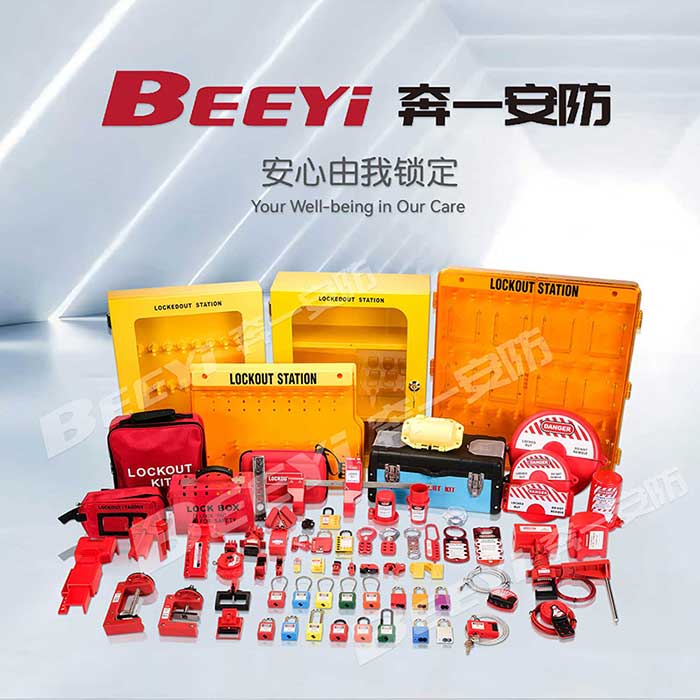
What is LOTO? LOTO stands for Lockout/Tagout, a set of safety procedures mandated by the Occupational Safety and Health Administration (OSHA) in the United States and adhered to by many safety standards worldwide. The primary objective of LOTO is to ensure that machinery or equipment is properly shut off and not able to be started up again prior to the completion of maintenance or servicing tasks. When properly implemented, the LOTO procedure minimizes the risk of injury and has been a critical element in enhancing workplace safety. The Role of Padlocks in LOTO Padlocks are essential for the Lockout/Tagout process. They are used to physically secure machinery, ensuring that it cannot be operated until the lock is removed by the person who applied it. Here are some reasons why padlocks are crucial in LOTO: