In today’s rapidly evolving infrastructure, the efficient management of water resources is paramount. One pivotal component that plays a significant role in this domain is the Building Water Supply Solenoid Valve. These electromagnetic devices are integral to maintaining the functionality of various water supply systems in residential, commercial, and industrial buildings. This article will explore the fundamental principles, applications, advantages, and maintenance of Building Water Supply Solenoid Valves, highlighting their importance in contemporary water management systems.
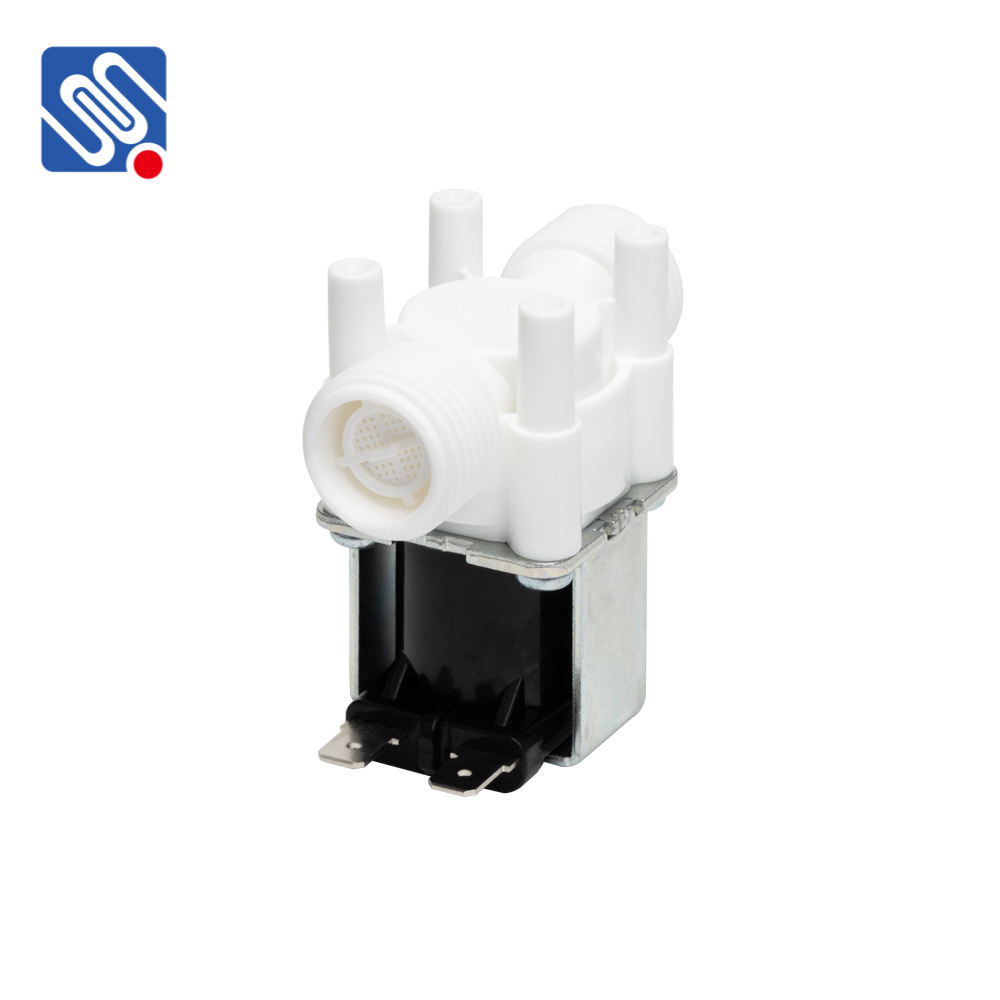
Understanding the Building Water Supply Solenoid Valve At its core, a Building Water Supply Solenoid Valve operates using an electromagnetic mechanism. The valve consists of a solenoid coil and a valve body. When electricity flows through the coil, it generates a magnetic field that actuates a movable metal component within the valve. This action either opens or closes the valve, allowing or restricting the flow of water. There are different types of solenoid valves, including direct-acting and pilot-operated types, each suited for various applications based on flow rate and pressure.
Applications Across Diverse Sectors