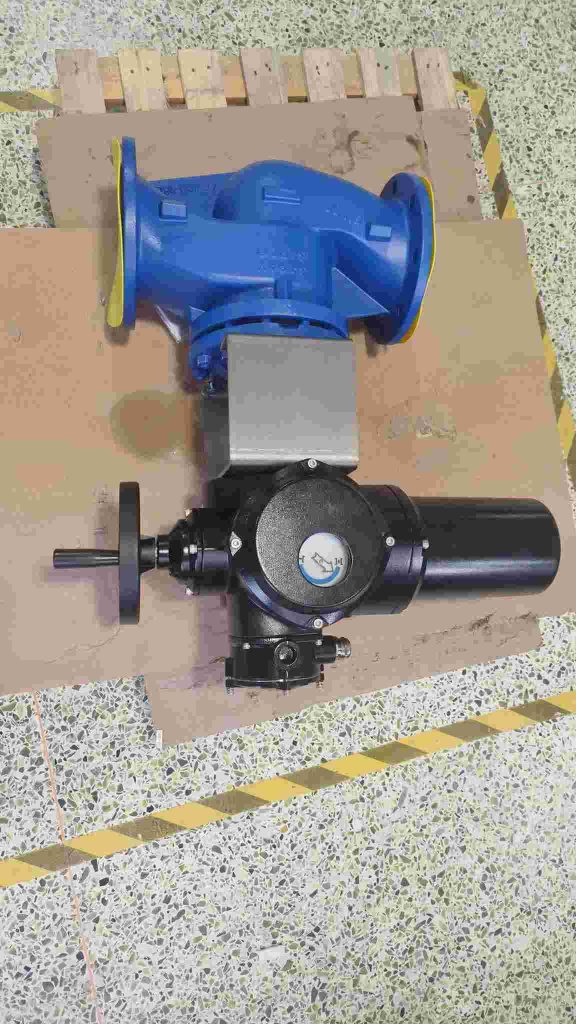
Electric globe valves are integral components within various industrial and HVAC applications, combining the characteristics of globe valves and electric actuators to provide efficient flow control. They are designed to regulate the flow of liquids and gases, driving operational efficiency and reliability. This article explores the functionality, advantages, and diverse applications of electric globe valves.
Functionality
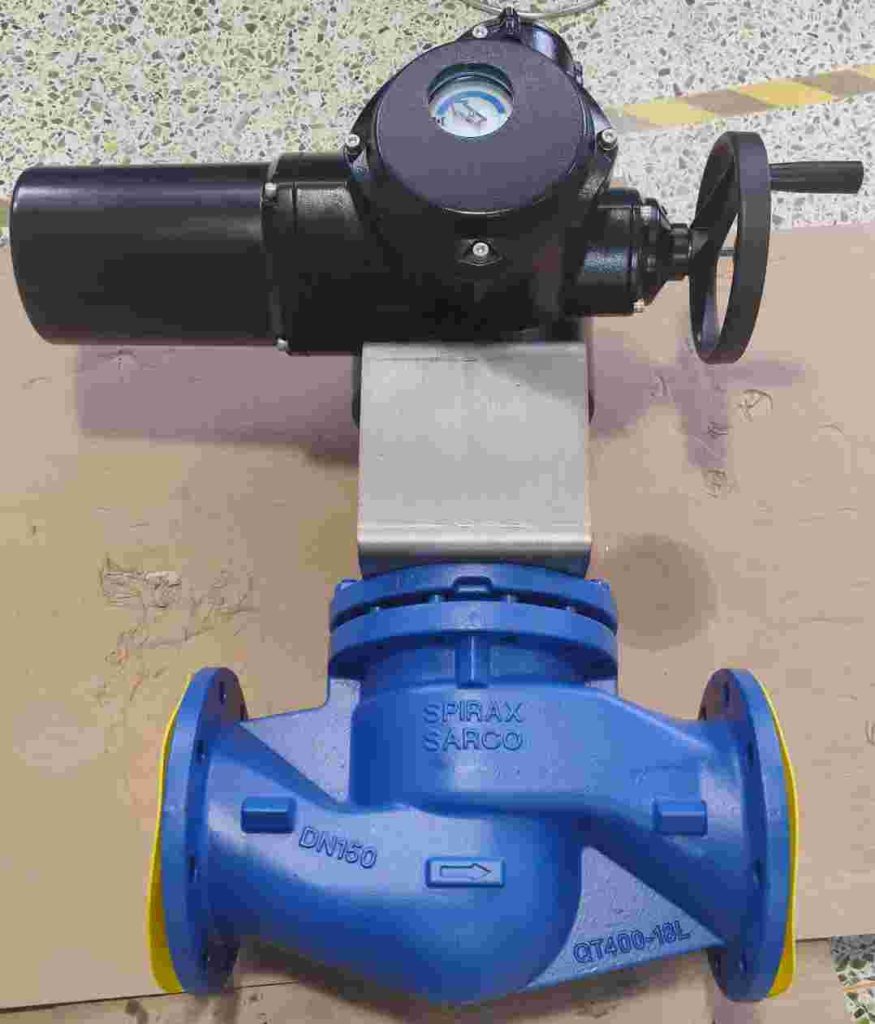
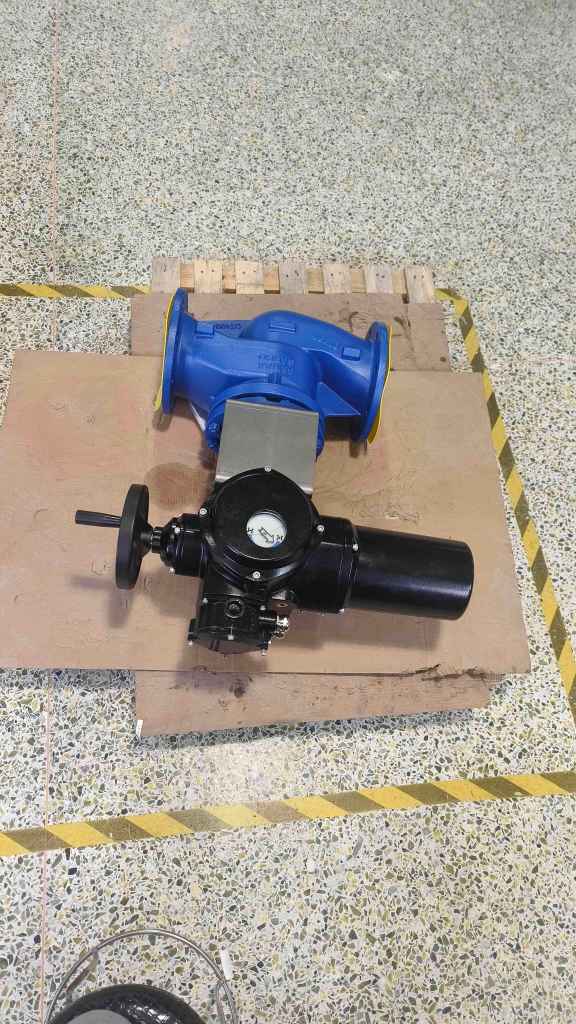
An electric globe valve comprises several critical components, including the valve body, the globe-shaped disc (or plug), the valve seat, and the electric actuator. The valve body houses the globe-shaped disc, which is installed in such a way that it can move up and down to open or close the flow path. This plug design allows for precise regulation of fluid flow, making it ideal for systems requiring careful flow management. The electric actuator powers the valve’s movement, affording the capability to control the valve remotely or automatically. The actuator typically contains an electric motor, gear mechanisms, and various sensors for position feedback, allowing for precise control and monitoring of the valve’s status. This electrical nature allows integration with modern control systems, facilitating automation across various industrial operations.