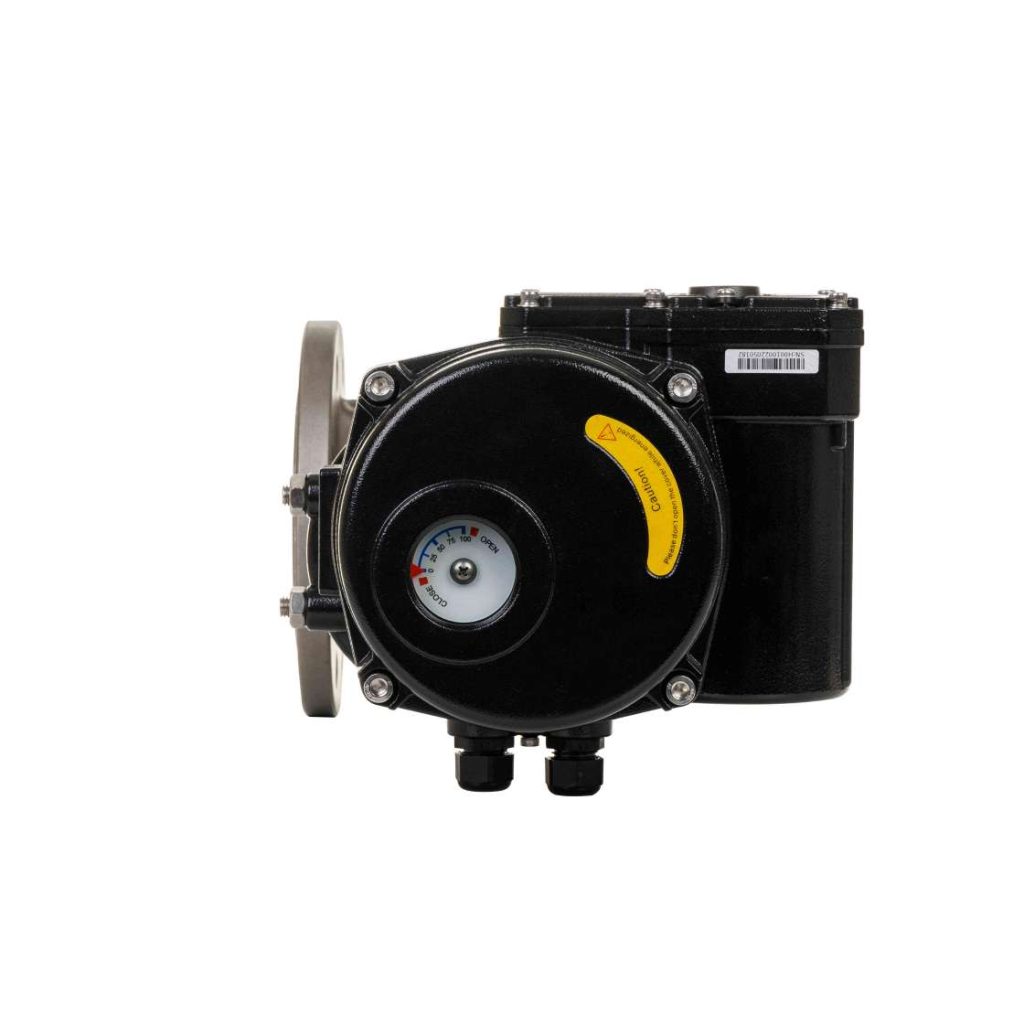
In today’s industrial landscape, safety and efficiency are paramount. One crucial component that plays a vital role in ensuring both is the Power Off Reset Valve (PORV). This valve serves as an essential safety mechanism in a variety of applications, particularly in chemical processing, gas distribution, and automated systems. Understanding the functionality and significance of the Power Off Reset Valve can aid organizations in enhancing their safety protocols and operational reliability.

What is a Power Off Reset Valve?
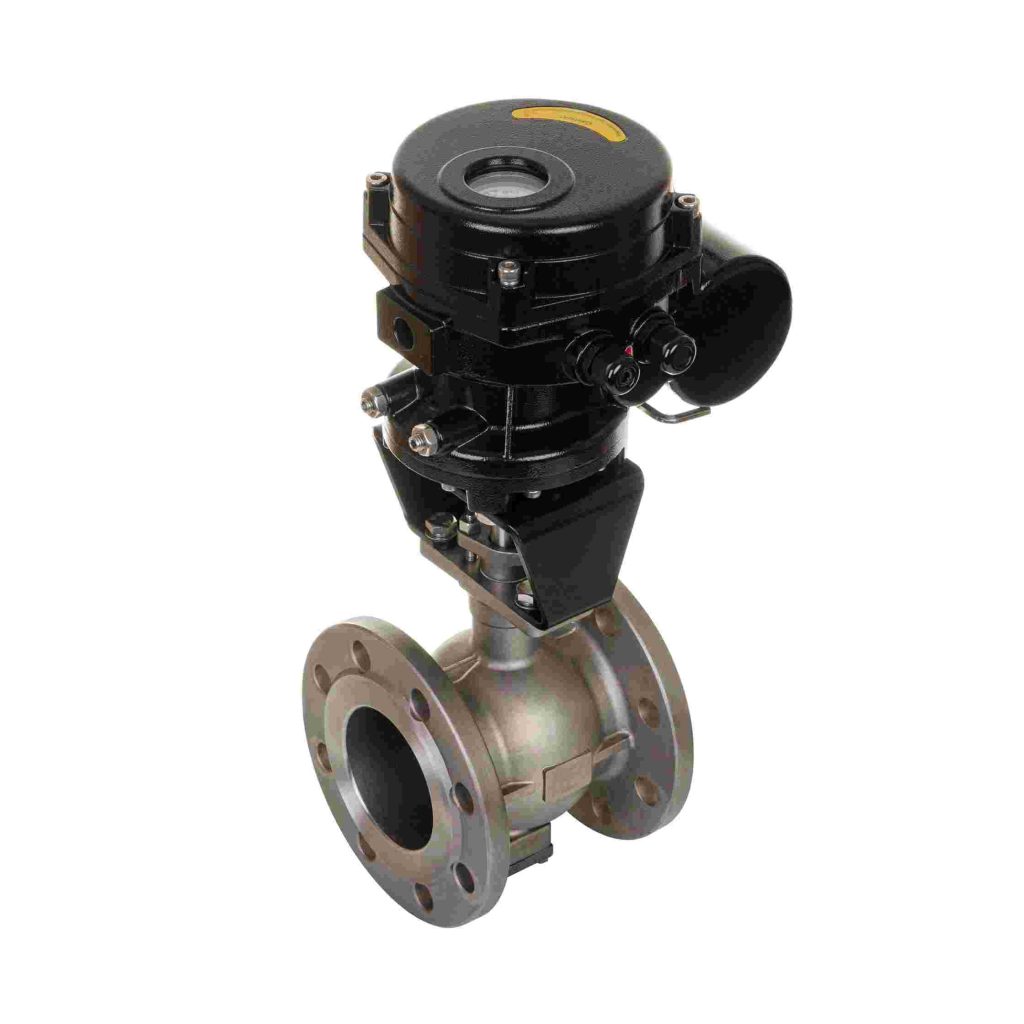
A Power Off Reset Valve is an automatic valve designed to respond to the loss of electrical power by closing or reverting to a safe state. Its primary function is to mitigate risks associated with power outages, ensuring that systems remain secure and prevent potential hazards such as leaks, spills, or inadvertent operations. How Does it Work? The operational mechanics of the Power Off Reset Valve involve several key components: Power Monitoring: The valve is connected to a power monitoring circuit that constantly assesses the status of the electrical supply. It is designed to detect any interruption or failure in power.