In numerous industrial applications, safety remains a paramount concern, particularly in environments where flammable gases, vapors, or dust are present. One critical component that enhances safety in such settings is the Explosion-Proof Relay. These devices are engineered to prevent the ignition of explosive mixtures, making them essential in sectors such as oil and gas, petrochemicals, pharmaceuticals, and mining. This article delves into the characteristics, functionalities, applications, and maintenance of explosion-proof relays.
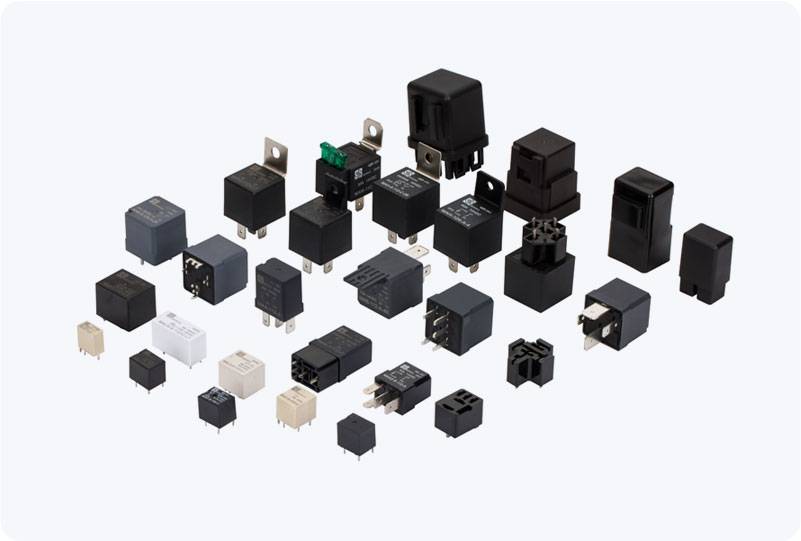
What is an Explosion-Proof Relay? An explosion-proof relay is a specialized electrical device designed to operate in potentially hazardous conditions. These relays are encased in sturdy housings made from materials like aluminum or stainless steel, which can withstand high pressure and resist corrosive elements. The primary function of an explosion-proof relay is to switch electrical circuits safely, even in environments that pose a risk of fire or explosion due to the presence of combustible gases or dust. Key Features of Explosion-Proof Relays Robust Construction: The robust design of explosion-proof relays ensures that they can endure mechanical stresses and environmental hazards. The tough outer casing protects the internal components from external impacts while preventing internal sparks from igniting any surrounding explosive materials.