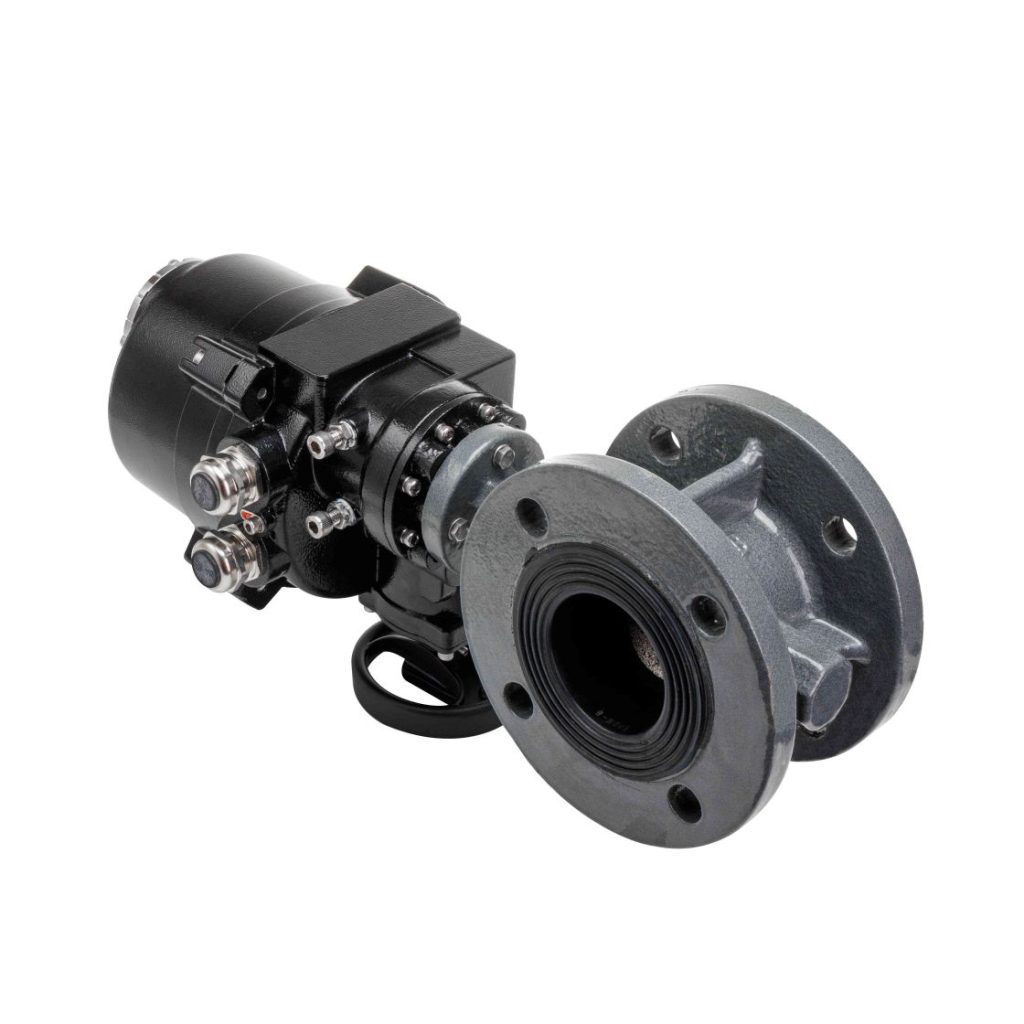
The marine industry is notorious for its demanding and dynamic environments. As technology advances, the need for reliable and efficient control systems has become paramount. Among various control devices, the WCB Marine Electric Ball Valve has emerged as a preferred choice for a wide array of applications. This article aims to provide a comprehensive overview of the WCB Marine Electric Ball Valve, exploring its design, advantages, applications, and maintenance.
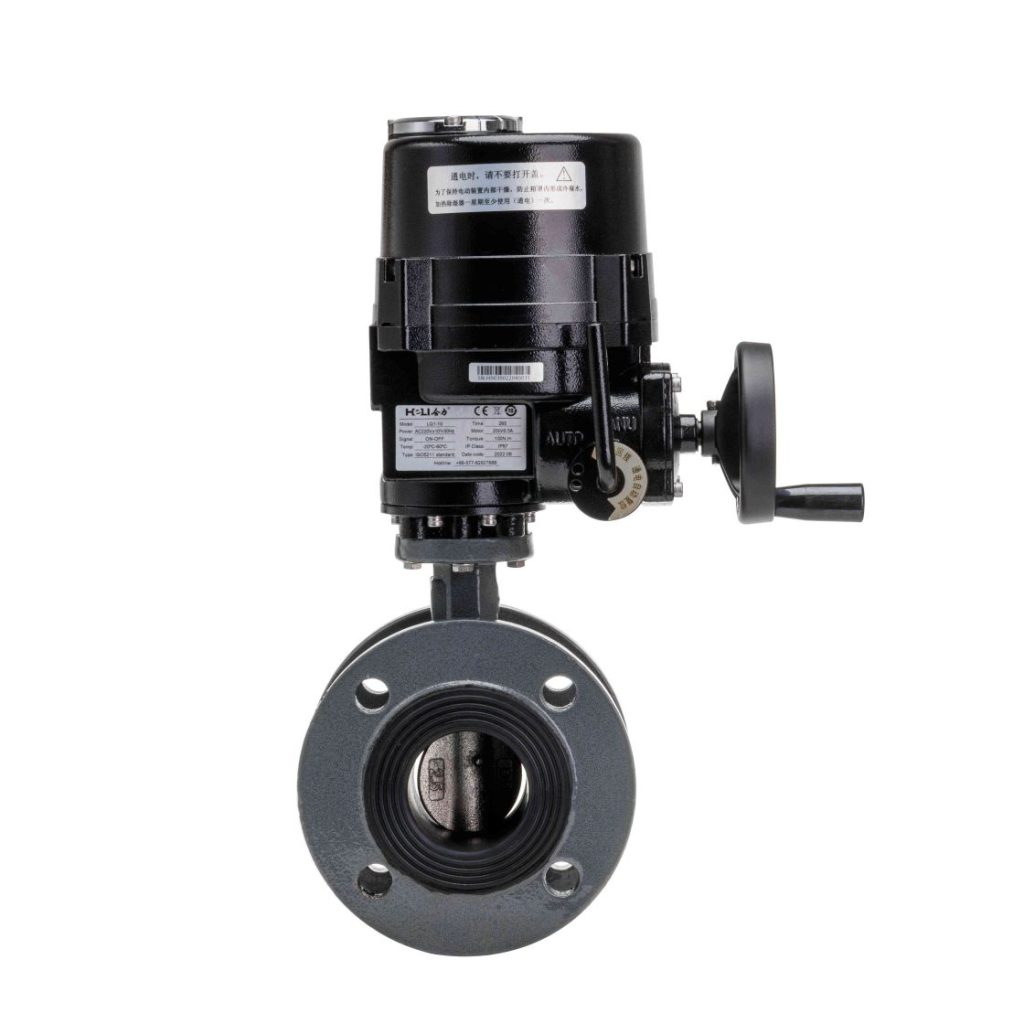
Overview of WCB Marine Electric Ball Valve
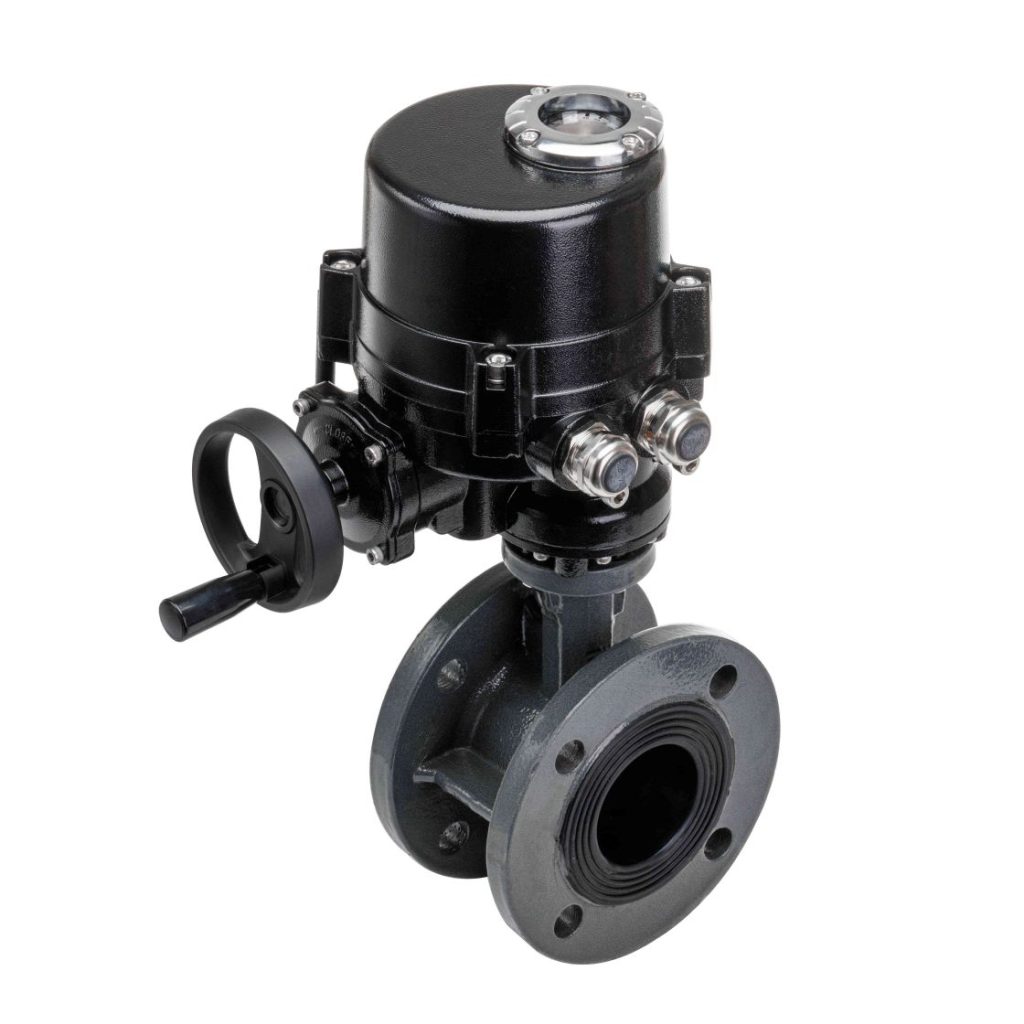
WCB, which stands for “Wear Resistant Carbon Steel,” denotes the manufacturing material that gives this electric ball valve its robust and durable characteristics. Engineered primarily for marine settings, these valves are designed to manage the flow of liquids and gases within a piping system effectively. The structure of the WCB Marine Electric Ball Valve includes a hollow spherical element (the ball) that rotates within a valve body to control flow. When the valve is in the “open” position, the hole in the ball aligns with the fluid path. Conversely, rotating the ball 90 degrees brings the solid side into alignment with the flow path, effectively closing the valve. This straightforward mechanism allows for simplicity in design, promoting reliability and ease of use.