Testing an industrial relay with a multimeter is a fundamental skill for anyone involved in maintenance and troubleshooting of electrical systems. Relays are crucial components used to control a large current with a smaller one, serving as switches activated by electrical signals. When relays fail, it can lead to system malfunctions or outages. Therefore, knowing how to effectively test these devices can save both time and money. This article provides a step-by-step guide on how to test an industrial relay using a multimeter.
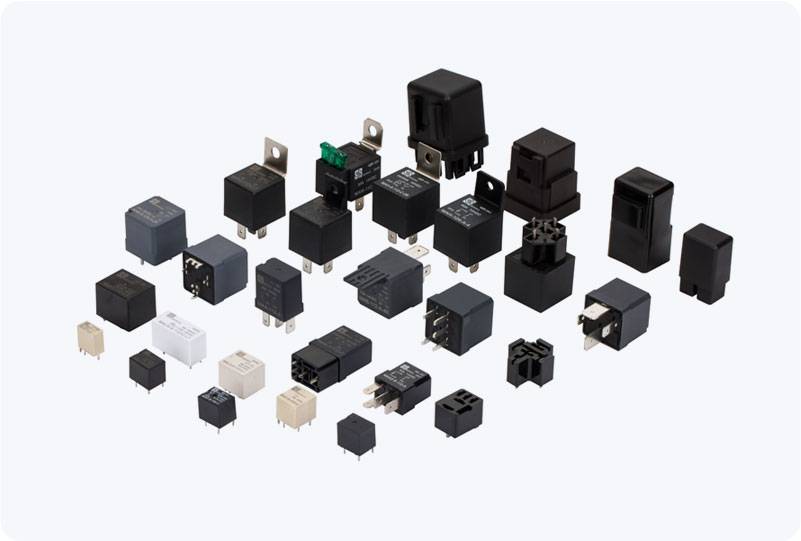
Understanding the Relay Before we dive into the testing process, it’s essential to understand the basic components of a relay. A typical relay consists of two primary parts: the coil and the contacts. The coil is an electromagnetic component that, when energized, creates a magnetic field. This field allows the relay to open or close a circuit through its contacts. There are two types of contacts in most relays: Normally Open (NO) and Normally Closed (NC). NO contacts are open when the relay is de-energized and close when energized, while NC contacts work in the opposite manner. Necessary Tools and Safety Precautions