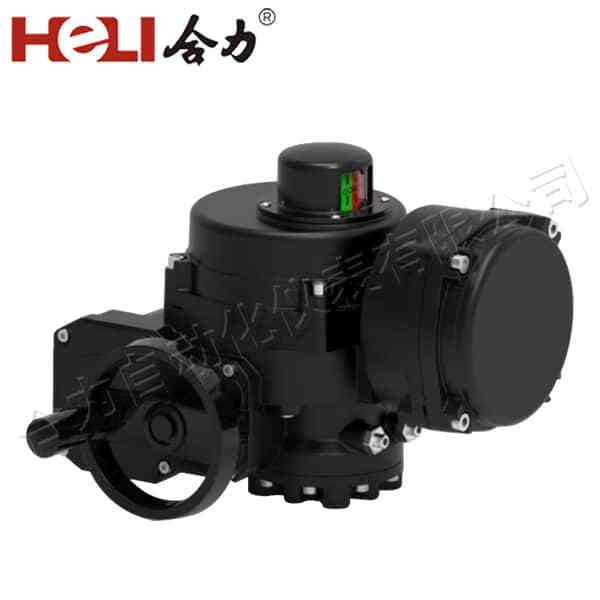
Electric actuators for valves have become a cornerstone of automation in various industries, enabling precise and reliable control of fluid and gas flow. Whether in water treatment plants, power generation facilities, or chemical processing systems, electric actuators provide a solution that enhances efficiency, reduces operational costs, and improves safety. This article explores the significance of electric actuators in valve control, their applications, working mechanisms, and benefits in modern industrial settings.
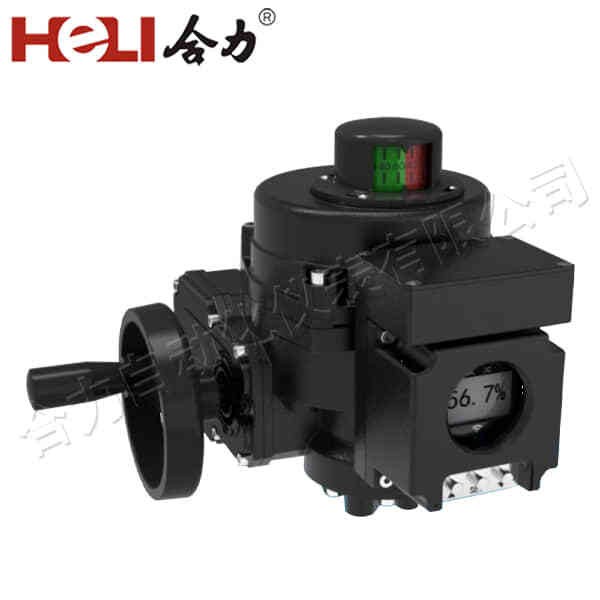
What is an Electric Actuator for Valves?
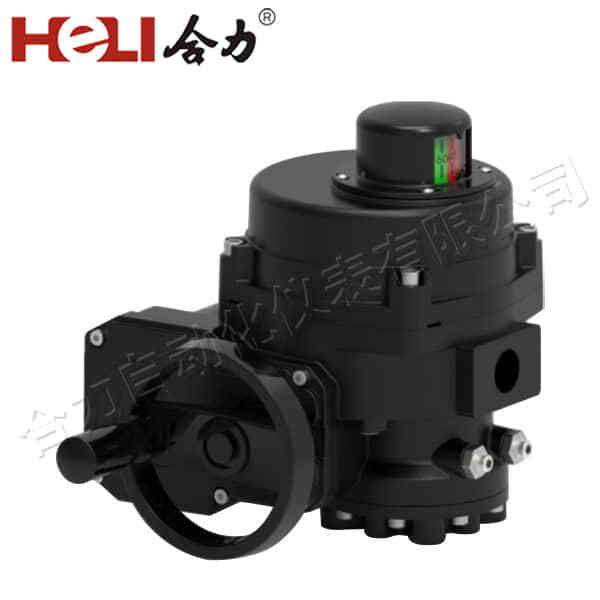
An electric actuator for valves is a device that uses electrical power to control the position of a valve. Unlike manual valve operation, which relies on human effort, or pneumatic and hydraulic systems, electric actuators offer an automated and more accurate solution. They consist of an electric motor, gears, and feedback systems that translate electrical signals into mechanical motion, enabling the opening, closing, or modulation of the valve’s position. Electric actuators are most commonly used in industries where precise control over fluid flow is essential. They are integrated into automated systems that enable remote operation, reducing the need for manual intervention and increasing system efficiency.