Relay installation is a critical process in electrical systems, whether for home appliances, industrial equipment, or automation control systems. A relay is an electrically operated switch that allows for the control of electrical circuits with a low-power signal, enabling high-power devices to be activated without direct interaction. Proper relay installation ensures that the system functions efficiently, safely, and reliably. In this article, we will guide you through the key steps for installing a relay, as well as important tips for maintaining long-term performance.
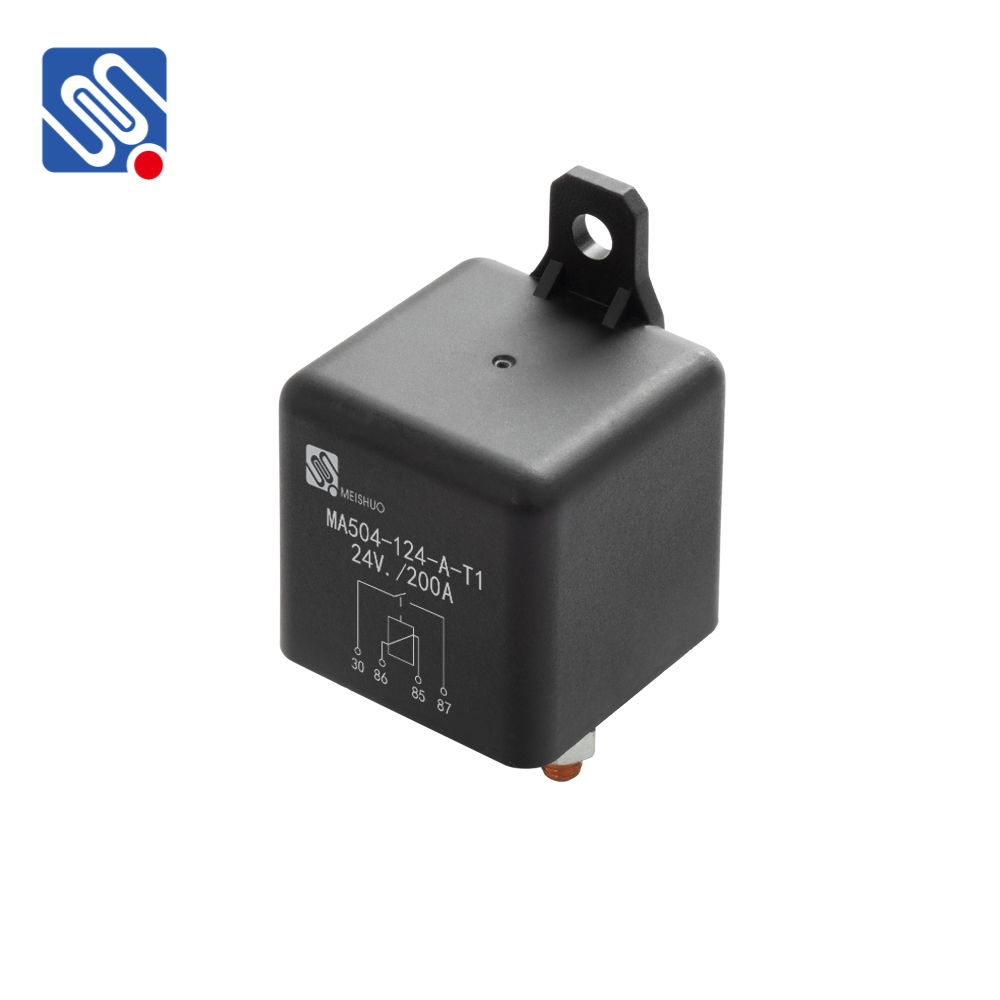
Understanding Relays and Their Role Before diving into the installation process, it is essential to understand what a relay does. Essentially, a relay acts as a bridge between the control and power circuits. It allows a small electrical current to control a much larger current. The control signal, usually from a microcontroller, PLC, or another low-power device, activates the relay’s coil. This action moves the relay’s internal switch, which can either open or close, thus controlling the power circuit connected to a load. Step 1: Choosing the Right Relay The first step in the installation process is selecting the appropriate relay for the application. Relays come in different types, with varying voltage and current ratings, and with diverse configurations of contacts. Ensure the relay’s voltage and current ratings align with the specifications of both the control circuit and the load you are intending to control. For example, if you’re working with an AC-powered system, you’ll need an AC relay with contacts rated for the specific AC voltage and current.