In today’s rapidly advancing industrial landscape, the efficiency and reliability of fluid control are paramount. Central to achieving these objectives is the Quick Open Solenoid Valve, a device designed to facilitate swift and precise control over the flow of liquids and gases. This article delves into the essential features, working principles, applications, advantages, and maintenance of Quick Open Solenoid Valves, showcasing their vital contribution to various industries.
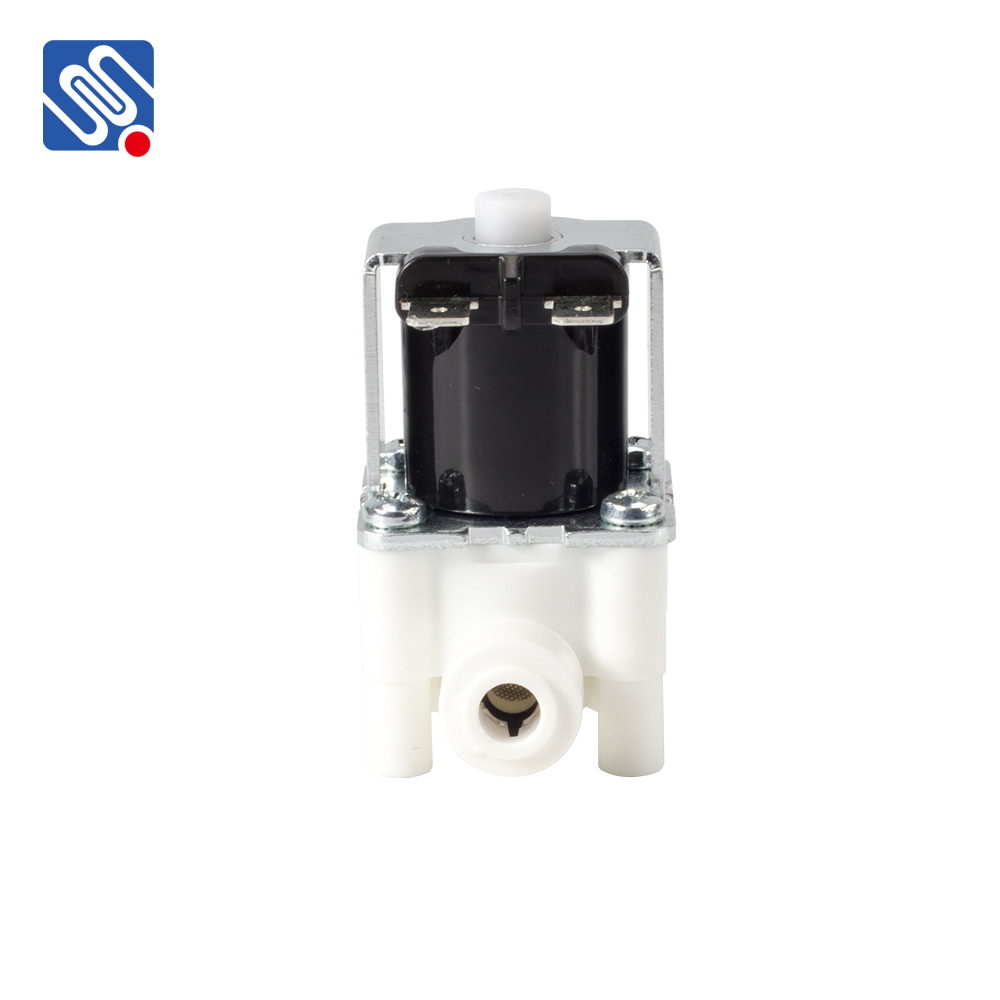
Understanding Quick Open Solenoid Valves At its core, a Quick Open Solenoid Valve operates via an electromagnetic mechanism. When electrical current is applied to the solenoid coil, a magnetic field is generated, which pulls a movable armature or plunger. This action opens the valve almost instantaneously, allowing fluid or gas to flow through. Conversely, when the power is disconnected, the magnetic field collapses, and a spring mechanism typically returns the valve to its closed position. This rapid transition between states makes the Quick Open Solenoid Valve particularly valuable in applications where immediate control of fluid movement is critical.