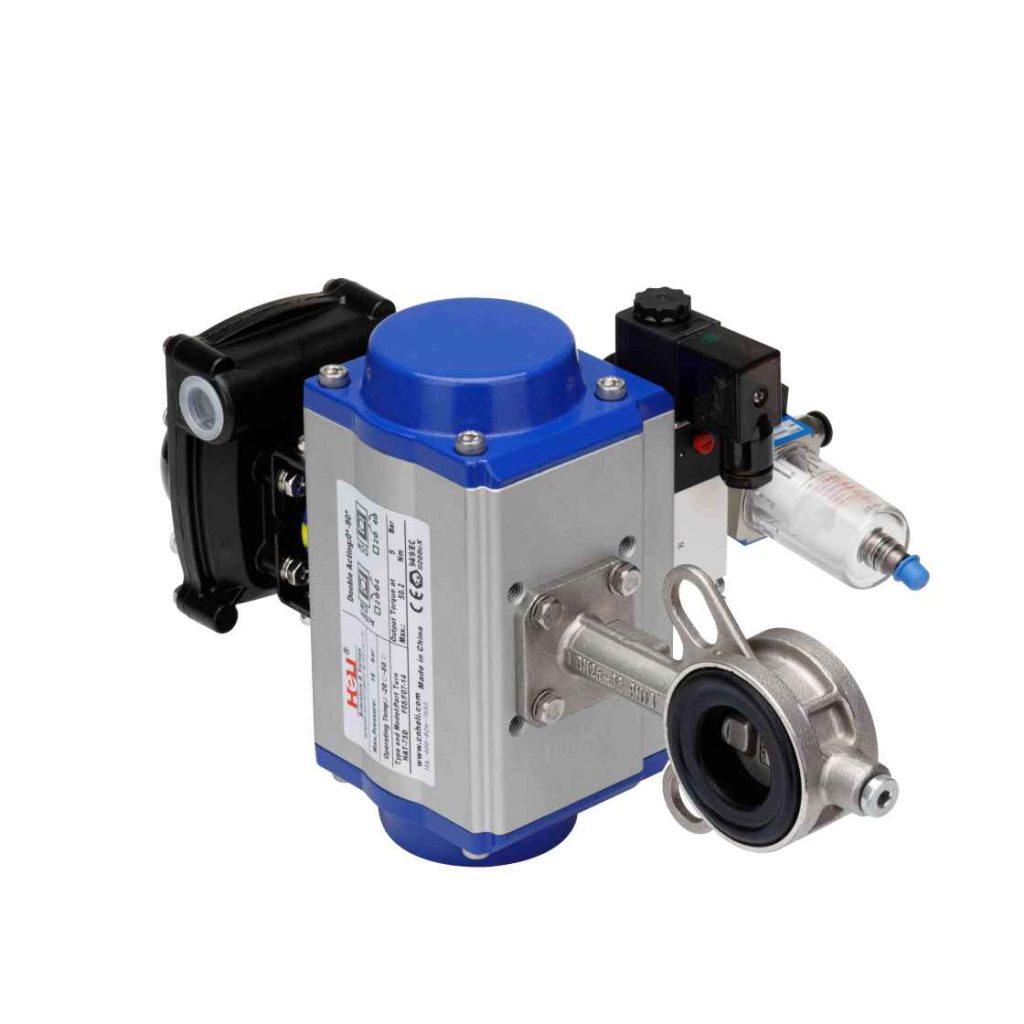
The WCB (Wrought Carbon Steel) Pneumatic Butterfly Valve is a vital component in various industrial processes, playing a significant role in fluid control systems. This article delves into the design, functionality, advantages, and applications of WCB pneumatic butterfly valves, providing a comprehensive overview for those looking to integrate them into their operations.
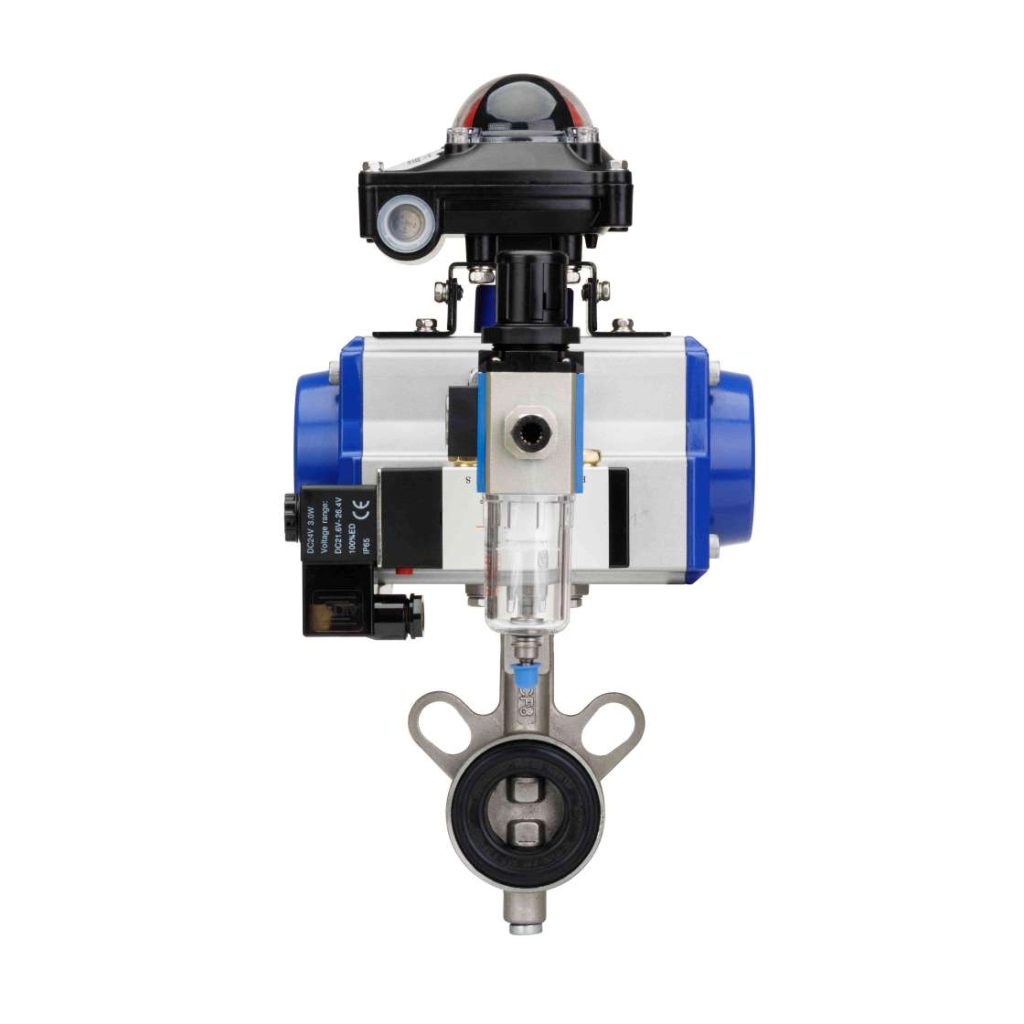
What is a WCB Pneumatic Butterfly Valve?

A WCB pneumatic butterfly valve operates by employing a circular disc or “butterfly” that rotates on a shaft within the valve body. This mechanism allows for efficient regulation of flow in pipelines, making it an indispensable part of many systems. The body of these valves is predominantly made from WCB material, known for its excellent strength and durability, making it suitable for a wide array of applications, ranging from water treatment to chemical processing. Structure and Design
The structure of a WCB pneumatic butterfly valve consists primarily of four components: the valve body, the butterfly disc, the pneumatic actuator, and the sealing mechanism.