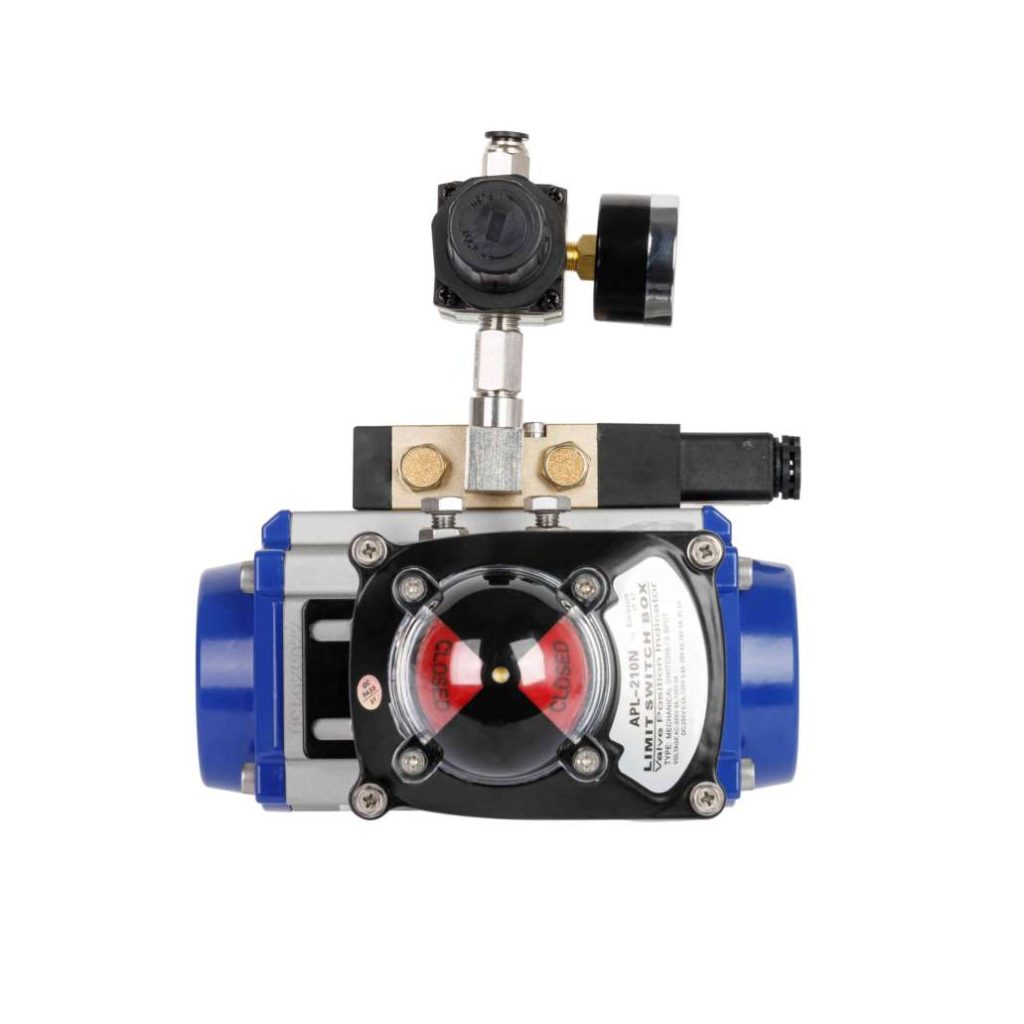
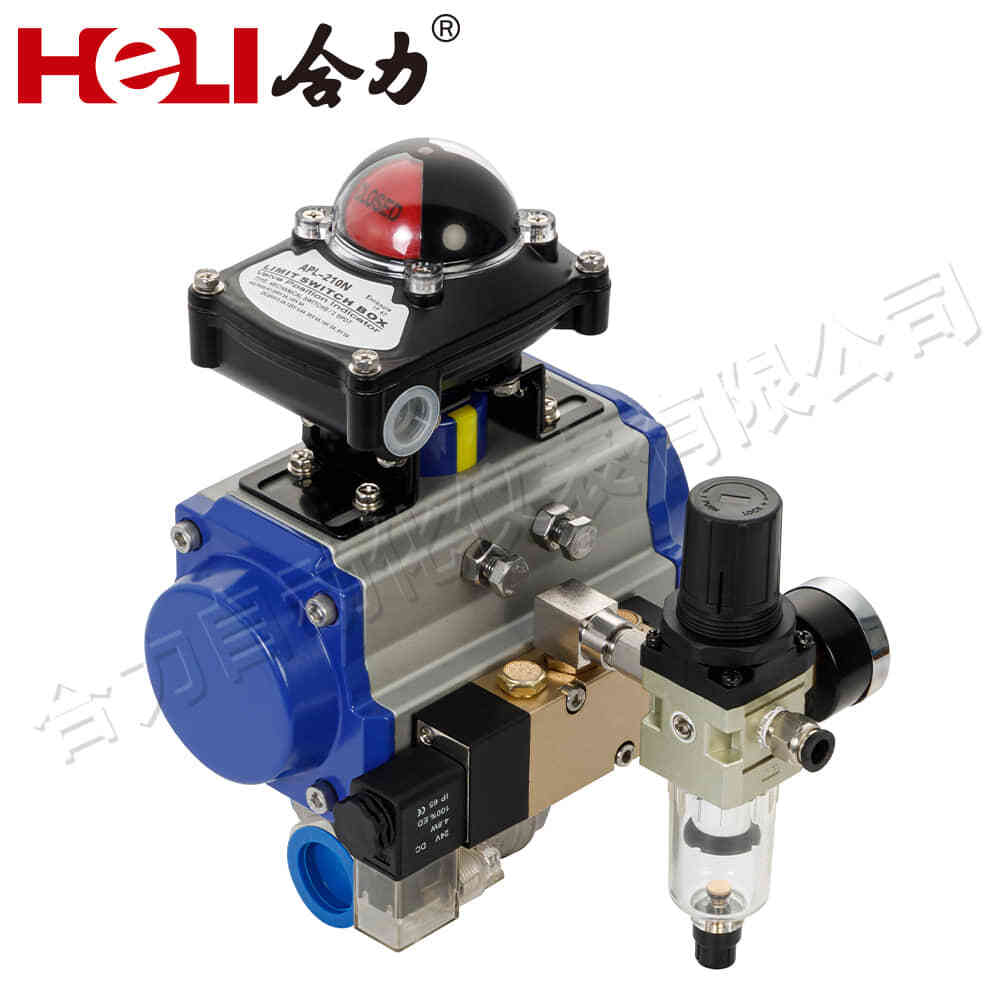
Pneumatic actuators are crucial components in the realm of industrial automation and control systems, providing efficient and reliable motion control for a variety of applications. These devices utilize compressed air to convert pneumatic energy into mechanical motion, making them ideal for tasks involving the movement of valves, gates, and other mechanisms. In this article, we will explore the working principles, types, advantages, disadvantages, and applications of pneumatic actuators, highlighting their significance in modern engineering.
Working Principle
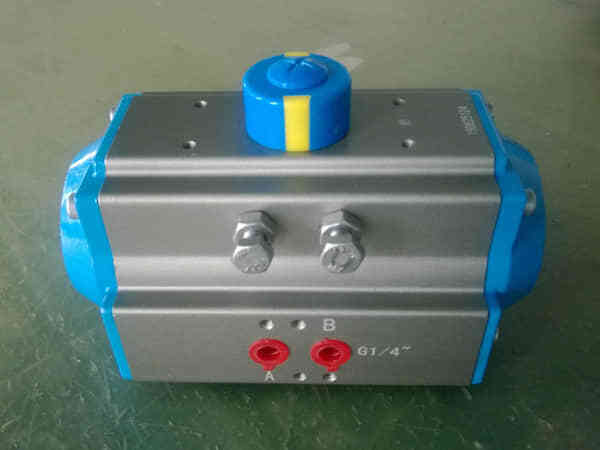
The fundamental working principle of a pneumatic actuator revolves around the use of compressed air. When air is compressed and directed into the actuator, it pushes against a diaphragm or piston that converts the air pressure into mechanical motion. In a simple linear actuator, the pressurized air enters one side of the cylinder and moves the piston in one direction. For dual-action actuators, air pressure can be applied from either side, allowing for both forward and backward movement. This method enables pneumatic actuators to perform tasks quickly and accurately, making them highly effective in various applications.