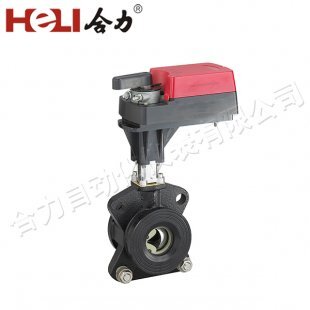
In recent years, the quest for sustainable energy solutions has led to remarkable advancements in various technologies. Among these innovations, the Hydrogen Energy Damper Actuator stands out as a promising device that integrates the benefits of hydrogen fuel with advanced motion control systems. This article delves into the workings, applications, advantages, and challenges of Hydrogen Energy Damper Actuators, highlighting their potential to revolutionize industries reliant on precise movement.
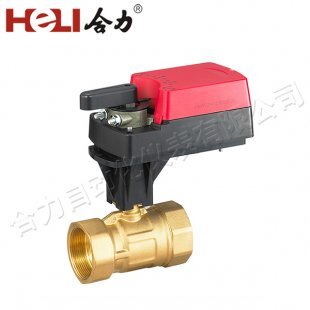
Understanding Hydrogen Energy Damper Actuators
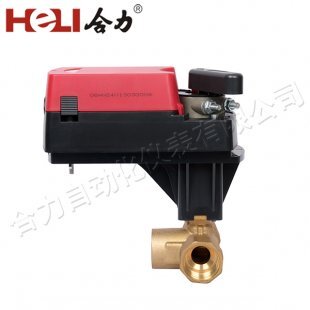
At its core, a Hydrogen Energy Damper Actuator operates on the principle of energy conversion, utilizing hydrogen gas as a fuel source to generate the power needed for its motion control functions. Typically, hydrogen fuel cells are employed, where hydrogen reacts with oxygen, producing electric energy and water. This electric energy is then harnessed to drive the actuator, allowing it to perform various damping and motion tasks. Key Components A Hydrogen Energy Damper Actuator is composed of several crucial components that work in unison: Fuel Cell System: The heart of the actuator, the fuel cell converts hydrogen into electricity through an electrochemical reaction, providing the necessary power for movement.