In today’s industrial landscape, safety is a paramount concern for organizations aiming to protect their workforce and adhere to regulatory compliance. One of the most effective tools in ensuring workplace safety during the maintenance and repair of equipment is the Lockout Hasps application. This article delves into the significance of Lockout Hasps, their applications, and how they enhance safety in various environments.
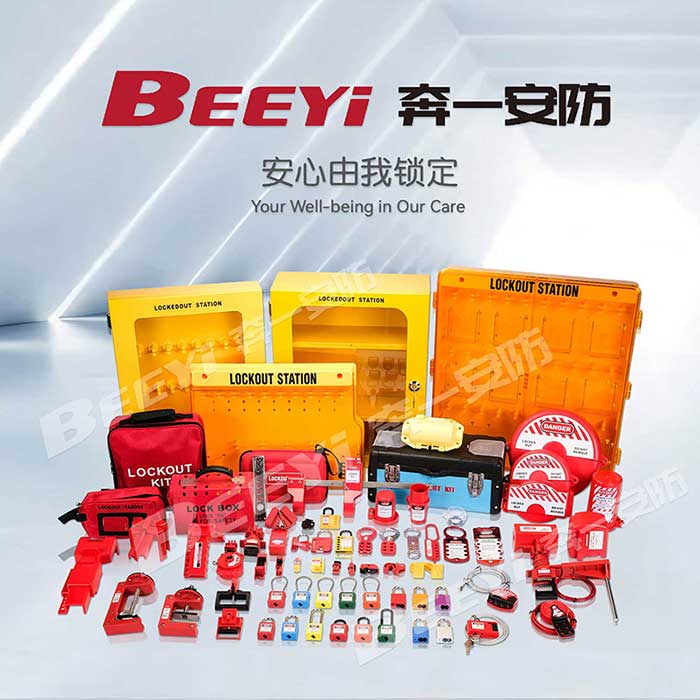
Understanding Lockout Hasps Lockout hasps are safety devices used in lockout/tagout (LOTO) procedures, which are designed to prevent the accidental energization of machines and equipment during maintenance activities. The hasp typically consists of a sturdy metallic or high-strength plastic frame that includes multiple locking points, allowing various locks to be attached simultaneously. When maintenance is required on a piece of equipment, authorized personnel attach the lockout hasp to the equipment’s energy source, such as electrical panels or pneumatic systems. Each worker involved in the maintenance can then apply their own lock to the hasp, ensuring that the equipment cannot be restarted until all locks are removed. This multi-lock mechanism significantly reduces the risk of unintentional equipment activation, promoting a safer working environment.