Relays are essential components in modern electronic systems, playing a critical role in switching and controlling high-power circuits with low-power control signals. The “Relay Application Notes” provide valuable insights into the proper selection, installation, and usage of relays in various applications. This article explores the fundamental concepts behind relays, their types, and practical advice for integrating them into real-world electronic systems.
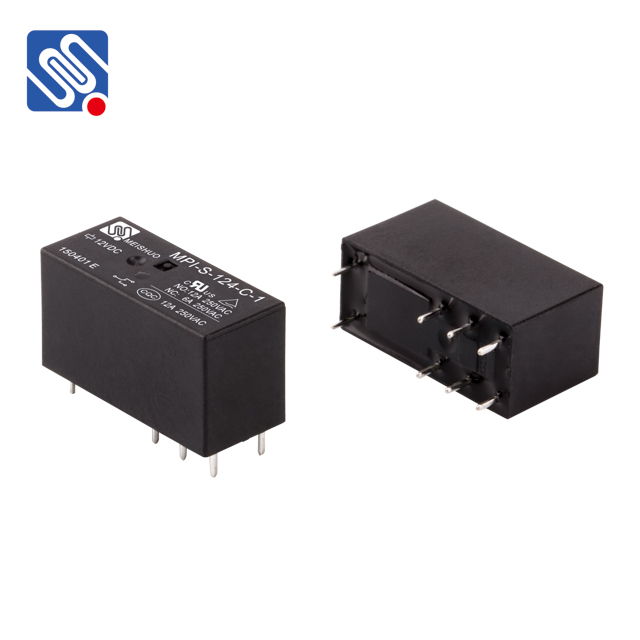
Understanding the Basics of Relays A relay is an electrically operated switch that uses a low voltage signal to control a high voltage or high current circuit. At its core, a relay consists of three main components: the coil, which is energized to create a magnetic field; the contacts, which open or close depending on the coil’s current; and the spring mechanism that resets the contacts when the coil is de-energized. The most common use of a relay is to isolate control circuits from power circuits, allowing a small, low-power signal to control larger, potentially dangerous electrical loads.