High-power relays are an essential component in electrical and electronic systems where large currents and voltages need to be controlled. These specialized relays are designed to handle the power demands of high-voltage and high-current circuits, often found in industrial machinery, power systems, and electric vehicles. Understanding how high-power relays work and their key applications is crucial for engineers and professionals involved in electrical systems design and maintenance.
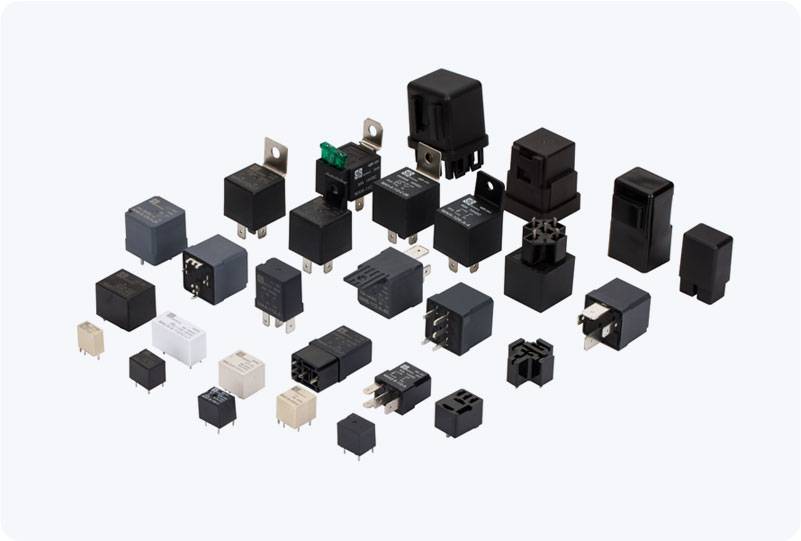
What is a High-Power Relay? A high-power relay is an electromechanical switch that controls the flow of electricity in high-power circuits. Unlike regular relays that are used in low-power applications, high-power relays are designed to handle currents ranging from tens to hundreds of amperes, and they are capable of switching high voltages—sometimes in the range of hundreds to thousands of volts. Their primary role is to open or close a circuit to either allow or interrupt the current flow, which is critical for safe operation in industrial and commercial settings. Key Features of High-Power Relays