In industrial and manufacturing environments, workplace safety is paramount. One of the key methods used to ensure safety during maintenance or repair activities is the Lockout/Tagout (LOTO) procedure. LOTO equipment plays a crucial role in protecting workers from the dangers associated with the unexpected release of hazardous energy, such as electricity, steam, or compressed air. This article explores the importance of LOTO equipment and the different types of tools used in the lockout/tagout process.
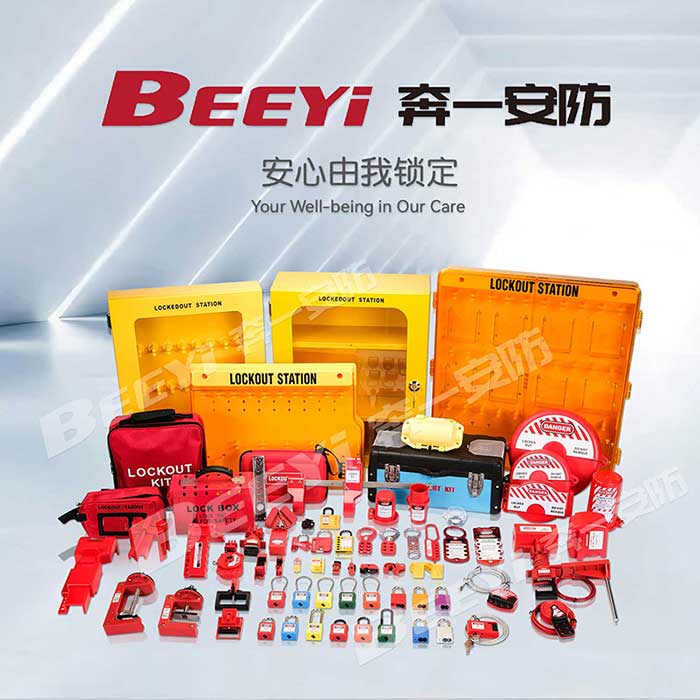
What is LOTO? LOTO stands for Lockout/Tagout, a safety procedure that requires the control of hazardous energy during the maintenance or servicing of machines and equipment. This procedure ensures that machines are properly de-energized and cannot be accidentally turned on while workers are performing tasks like repairs, inspections, or adjustments. The primary goal of LOTO is to prevent accidents caused by the unexpected release of energy, which could lead to serious injuries or even fatalities. Importance of LOTO Equipment The significance of LOTO equipment cannot be overstated. In industries such as manufacturing, construction, and energy production, workers are often required to interact with heavy machinery that poses potential risks. If these machines are not properly locked out during maintenance, they may unexpectedly start, releasing dangerous levels of energy that can harm workers. LOTO equipment ensures that the equipment is properly shut down and secured, minimizing the risk of accidental startups and protecting workers’ lives.