In industrial settings, the safety of workers is a primary concern. One of the most critical aspects of workplace safety is the control of hazardous energy during maintenance or repair operations. This is where lockout/tagout (LOTO) procedures play a vital role. Among the key devices used in these procedures are lockout hasps, which help ensure that hazardous machinery or equipment cannot be accidentally started or energized while workers are performing maintenance. The reliability of these lockout hasps is paramount, making it essential to choose trustworthy suppliers for such safety products.
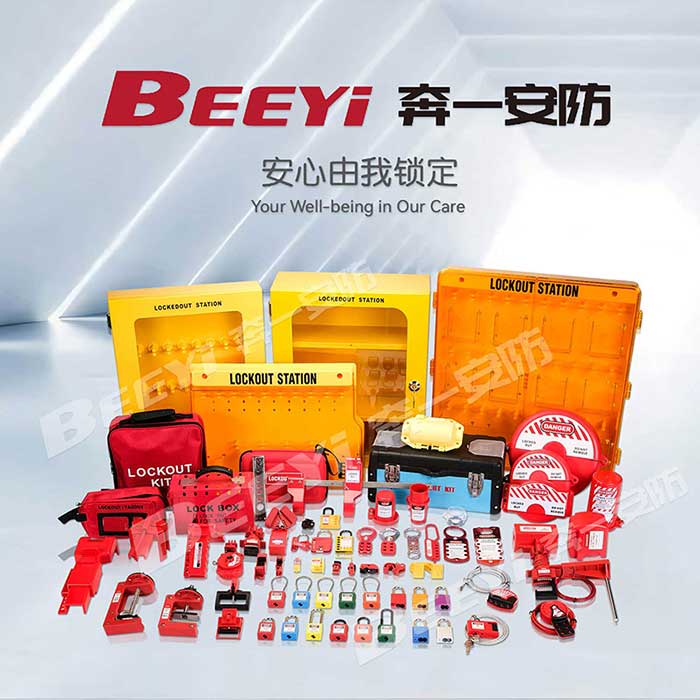
The Importance of Lockout Hasps in Safety Protocols Lockout hasps are simple but essential tools used in lockout/tagout procedures. They are designed to secure a lock or multiple locks on a single piece of equipment to prevent unauthorized or accidental operation during maintenance. The purpose of these devices is to protect workers from potentially fatal accidents caused by the unexpected release of hazardous energy. Whether the machinery in question is powered by electricity, hydraulic pressure, steam, or any other form of energy, the lockout hasp provides an additional layer of security to ensure that it remains shut off until the maintenance or repair work is complete.