As the world increasingly shifts toward sustainable energy, electric vehicles (EVs) have emerged as a key component in reducing carbon emissions and promoting environmental sustainability. The development of EVs involves intricate systems that require advanced electrical components, one of the most critical being relays. Among the leaders in providing such components is Panasonic, whose EV relays are specifically designed to meet the unique demands of electric vehicle power systems. The Panasonic EV Relay is an essential component that plays a significant role in the operation of EVs, enabling efficient, safe, and reliable energy management in high-voltage systems.
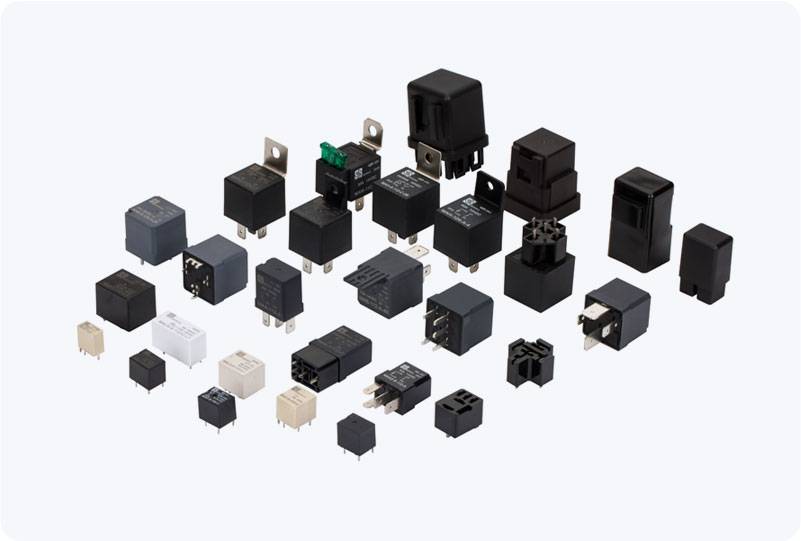
Understanding the Role of EV Relays In electric vehicles, a relay is a switch that controls electrical circuits by opening and closing under specific conditions. EV relays are designed to handle the high voltage and current associated with electric power systems. The Panasonic EV Relay is specifically built to manage these requirements in electric vehicle applications, where conventional mechanical relays might fall short. Relays in EVs are primarily used for controlling power flow between the battery, electric motor, and other electrical components. The Panasonic EV Relay enables critical functions such as charging the vehicle’s battery, controlling energy distribution to the electric motor, and managing regenerative braking. In addition to ensuring that these operations run smoothly, relays also protect the electrical components from damage due to overvoltage, overcurrent, or short circuits.