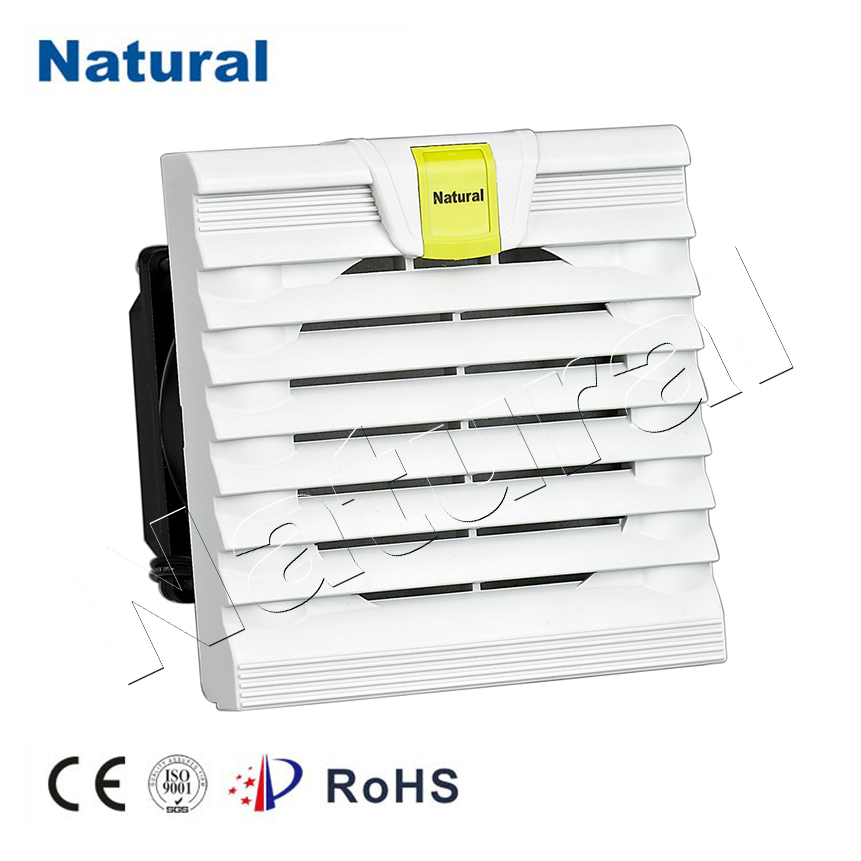
In the contemporary world of electronics and computing, maintaining an optimal operational environment is vital for the longevity and performance of devices. Two key components that contribute significantly to thermal management and air quality control in electronic cabinets are cabinet fans and filter fans. Each serves its unique purpose, and understanding their differences and applications can help users make informed choices when it comes to cooling solutions.
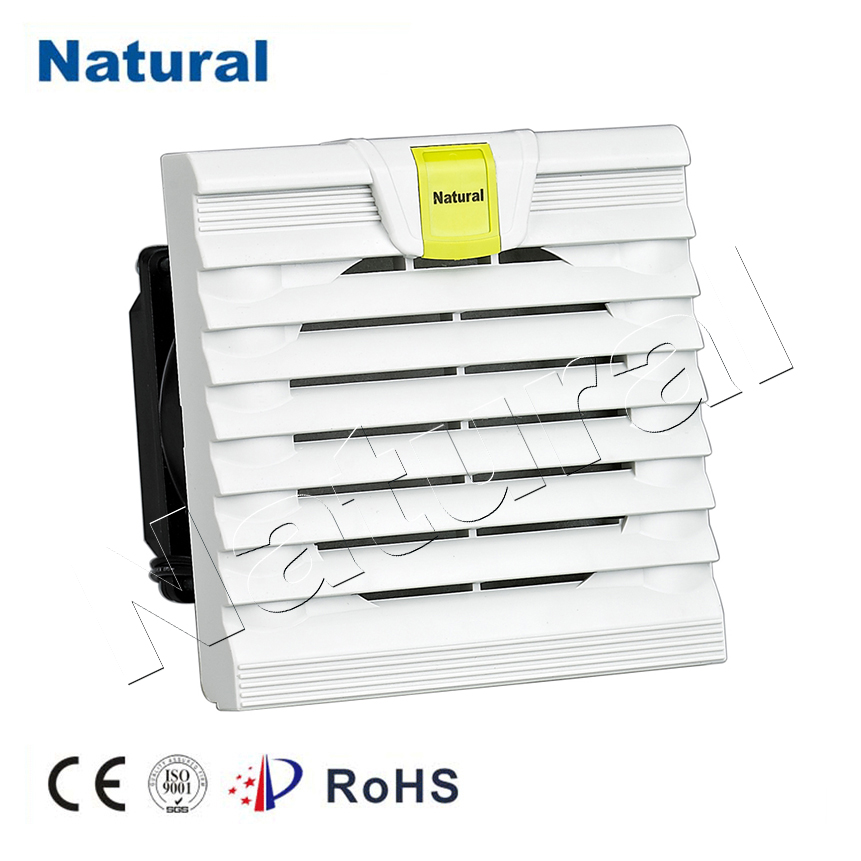
Cabinet Fans
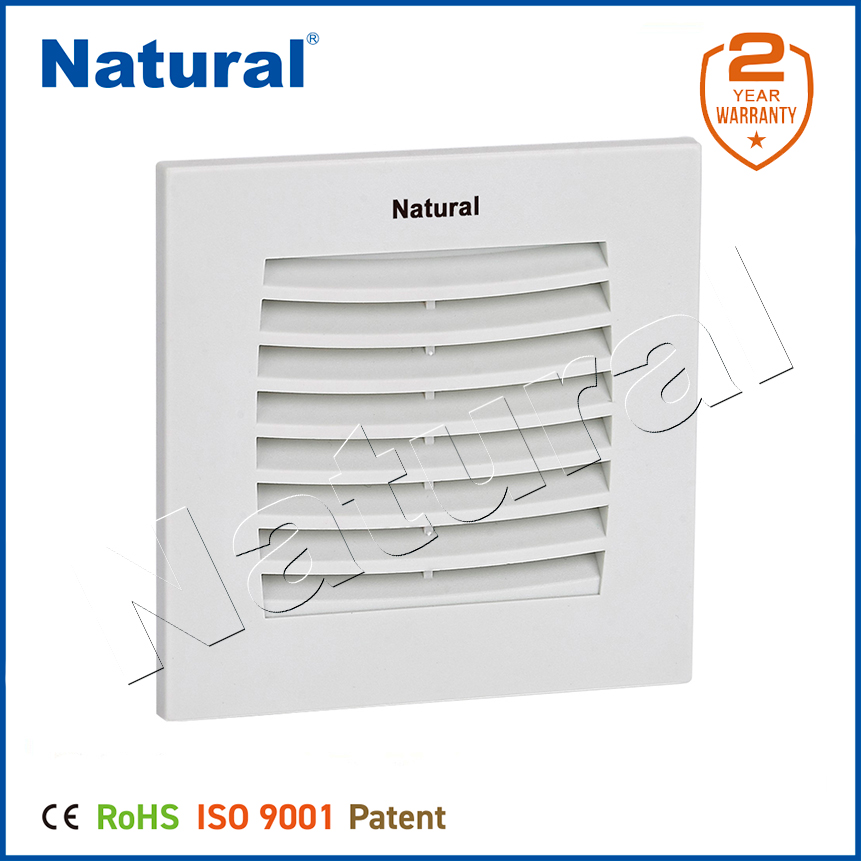
Cabinet fans are primarily designed to cool down the internal components of electronic housings, such as computer cases or industrial enclosures. The primary function of a cabinet fan is to promote airflow, preventing overheating by ensuring that heat generated by components like CPUs, GPUs, and power supplies dissipates effectively. Functions and Benefits Thermal Regulation: Cabinet fans are instrumental in maintaining an optimal temperature by facilitating the continuous flow of air. They draw in cooler air from outside the casing and expel warm air generated by the internal components. This process is essential in preventing thermal throttling, where processors reduce their performance due to excessive heat.