In various sectors, particularly in industrial settings, the term “lockout” carries critical implications for safety and operational integrity. The Lockout/Tagout (LOTO) procedure reduces the risk of unexpected equipment startup during maintenance and service tasks, ultimately safeguarding workers from severe injuries or fatalities. In this article, we will explore the significance of lockout procedures, their implementation, and the importance of adherence to safety standards in the workplace.
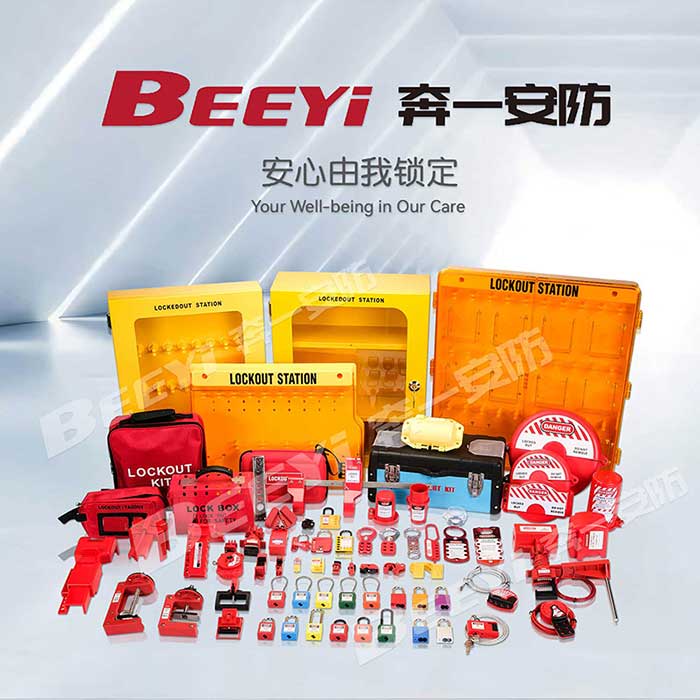
Lockout refers to the practice of disabling machinery or equipment to prevent any unintentional startup while maintenance work is being conducted. This comprehensive safety procedure is crucial in industries such as manufacturing, construction, and energy, where employees frequently interact with complex machinery. The core components of any lockout procedure include the use of physical locks and tags that inform workers that a specific piece of equipment is undergoing maintenance and should not be operated. The implementation of a successful Lockout/Tagout program involves several steps. First, employers must establish a written energy control program that outlines the procedures and responsibilities associated with lockout practices. This program should clearly define which equipment requires lockout procedures and detail the specific steps involved, including the identification of all energy sources, the methods of isolating those sources, and the steps to ensure that all energy is effectively controlled before maintenance begins.