Relay wiring is an essential component in the world of electrical circuits, allowing small signals to control large currents and enabling automation in various systems. Whether you’re an engineer, hobbyist, or technician, understanding the basics of relay wiring is crucial for designing and troubleshooting electrical systems. In this article, we will explore what relay wiring is, how it works, its components, and common applications.
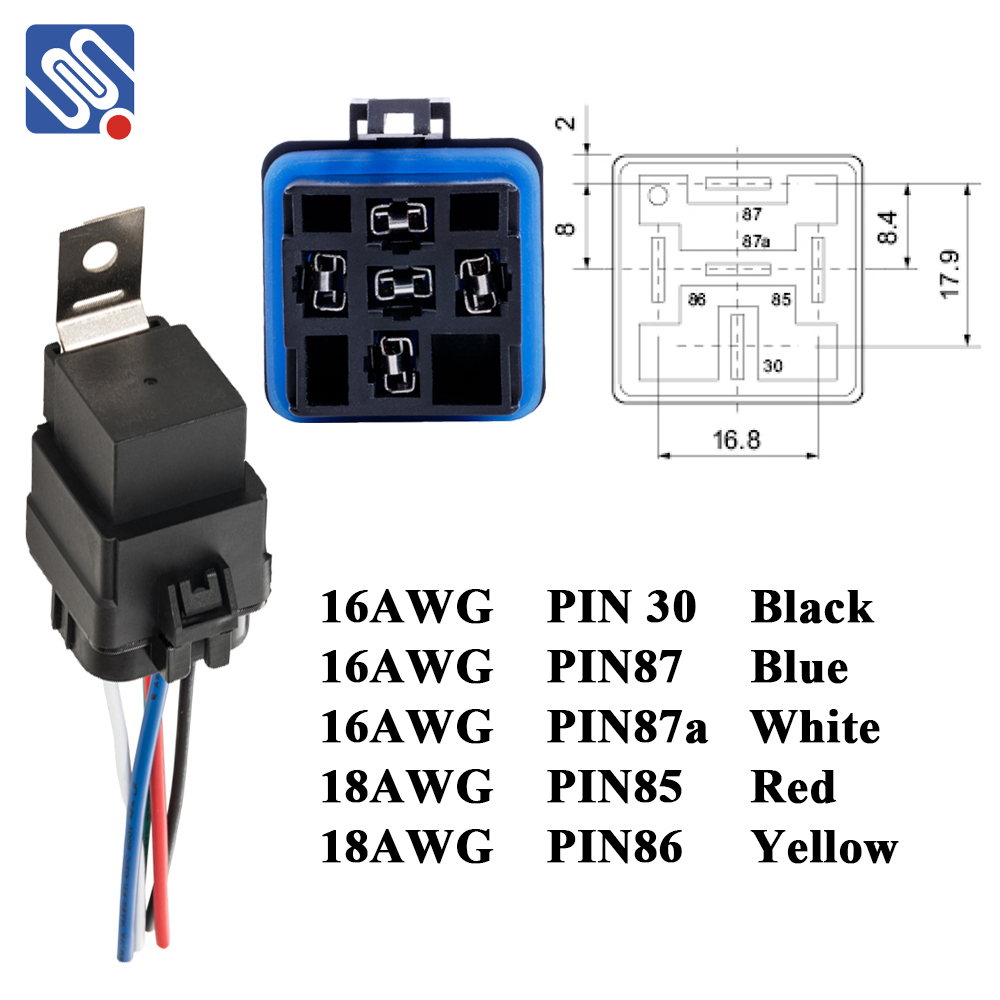
What is Relay Wiring? Relay wiring refers to the way an electrical relay is integrated into a circuit to control the flow of electricity. A relay is an electrically operated switch that allows a low-power circuit to control a high-power circuit, often used to switch devices on or off remotely or automatically. By using a relay, one can control larger loads such as motors, lights, and heaters with a small control signal, typically from a low voltage controller, like a microcontroller or a simple switch. How Does a Relay Work? A relay typically has four basic components: Coil: The electromagnet that activates the relay when current flows through it.