In modern vehicles, electrical systems play an essential role in powering various components, from lighting systems to air conditioning and engine management. One of the most crucial components in automotive electrical circuits is the 12V automotive relay. This small but vital device helps control high-power systems using a low-power signal, ensuring the safety, efficiency, and longevity of the electrical components. In this article, we will explore the workings, applications, and importance of 12V automotive relays in vehicles.
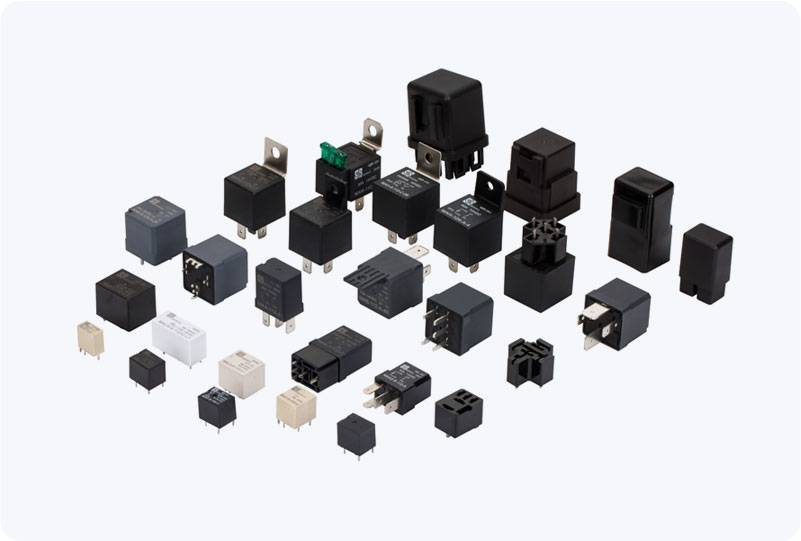
What is a 12V Automotive Relay? A 12V automotive relay is an electrical switch that is activated by a 12-volt power supply, which is the standard voltage for most vehicles. The relay’s primary function is to allow a low current signal to control high current devices such as lights, fans, and motors. It acts as an intermediary, enabling the vehicle’s low-power control circuits to operate high-power equipment without risking damage to sensitive components. Relays typically consist of an electromagnet, a moving armature, a set of contacts, and a coil. When voltage is applied to the coil, the electromagnet is energized, which in turn causes the armature to move and either open or close the contacts. This allows or stops the flow of electricity to the connected load, such as a fan, light, or air conditioning system.