The Overload Protection Relay is an essential component in electrical systems, designed to protect devices like motors, generators, and transformers from damage due to overloading. By detecting excessive current and disconnecting power before any permanent harm occurs, it plays a crucial role in ensuring the longevity and safety of electrical equipment. This article delves into the functionality, types, applications, and benefits of the Overload Protection Relay.
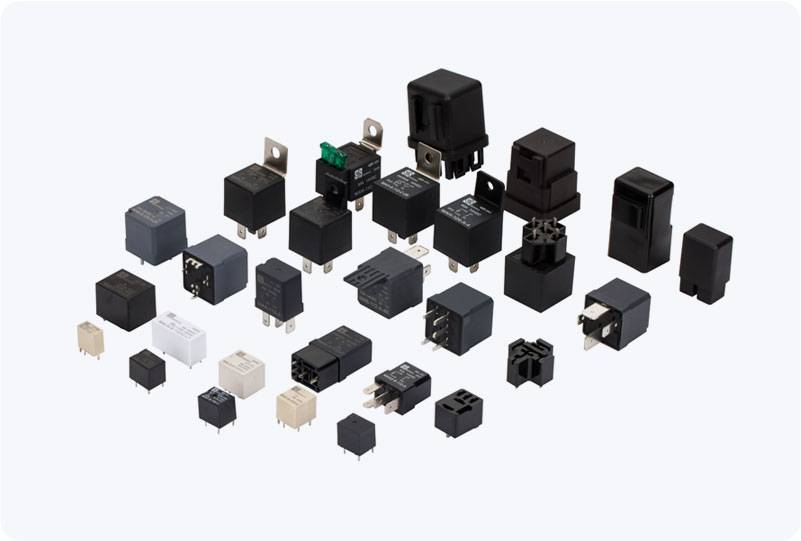
Understanding the Overload Protection Relay An Overload Protection Relay operates as a safeguard against prolonged electrical overloads, which can otherwise lead to overheating, insulation failure, or even equipment failure. These relays monitor the current flowing through the electrical circuit and trigger a protective action if the current exceeds preset limits. They are most commonly used in protecting electric motors, but they also find applications in other electrical devices like transformers, circuit breakers, and cables. The core function of the relay is to detect when the current exceeds the motor’s or device’s rated capacity. The relay then either trips a circuit breaker or disconnects the device from the power source to prevent any damage from occurring. This operation is vital in preventing overheating and the associated risks such as fire or permanent damage to electrical components.