In the realm of electrical engineering, relay datasheets serve as invaluable resources for engineers, designers, and technicians. A relay, an electromechanical switch, is crucial for controlling circuits in response to electrical signals. Its datasheet encapsulates a plethora of information essential for the selection, application, and integration of the relay into various electrical systems. This article aims to delve into the significance and components of relay datasheets, highlighting their role in facilitating informed decision-making in engineering applications.
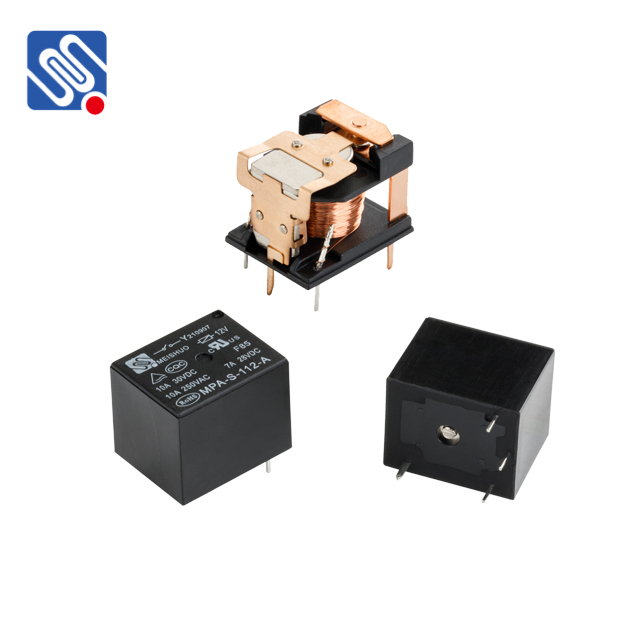
At its core, a relay is designed to enable or interrupt the flow of electricity within a circuit. The datasheet is a formal documentation outlining the specifications, features, and operational parameters of a relay. It is typically produced by the manufacturer to assist users in understanding the capabilities and limitations of the product. Without a comprehensive datasheet, engineers may face challenges in selecting a suitable relay for their specific needs, potentially leading to operational failures or safety issues. One of the primary elements of a relay datasheet is the Electrical Characteristics section. This includes important specifications such as the rated voltage and current. These parameters indicate the maximum voltage and current that the relay can handle without failure. Understanding these limits is critical, as exceeding them can lead to damage or malfunction. Engineers must ensure that these ratings align with the operational requirements of the circuits they are designing.