The 220VAC power relay is a vital device used in various electrical applications, playing a critical role in controlling and switching circuits. With its ability to operate at high voltage levels, it is particularly favored in residential and industrial environments. This article will explore the fundamental aspects of 220VAC power relays, including their working principles, types, applications, and considerations when selecting one for specific tasks.
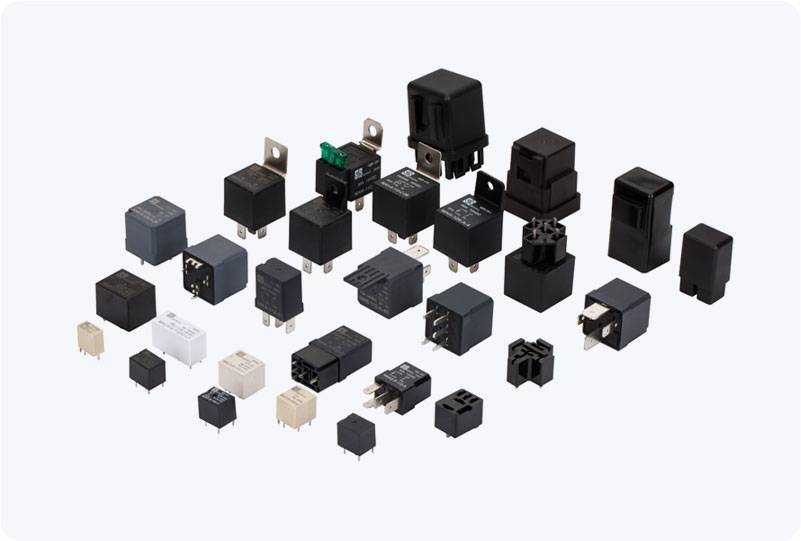
Working Principle of 220VAC Power Relay A relay is an electromechanical switch that utilizes an electromagnetic coil to control the opening and closing of its contact points. When an electrical current passes through the coil, it generates a magnetic field that attracts an armature, thus closing the contacts. This allows electricity to flow through the connected circuit. In the case of a 220VAC power relay, the relay is designed to handle and switch high voltage alternating current, making it suitable for a wide range of applications. When the electrical signal to the coil is removed, the spring mechanism returns the armature to its original position, reopening the contacts and cutting off the current flow. This on-and-off operation allows for the control of high-power devices through a low-power signal, thereby providing isolation between the control circuit and the load.