Reverse Osmosis (RO) systems have gained significant popularity in water purification processes across residential and industrial applications. At the heart of these systems are several critical components, one of which is the Reverse Osmosis Solenoid Valve. This article delves into the functionality, types, applications, and maintenance of solenoid valves specifically used in reverse osmosis systems.
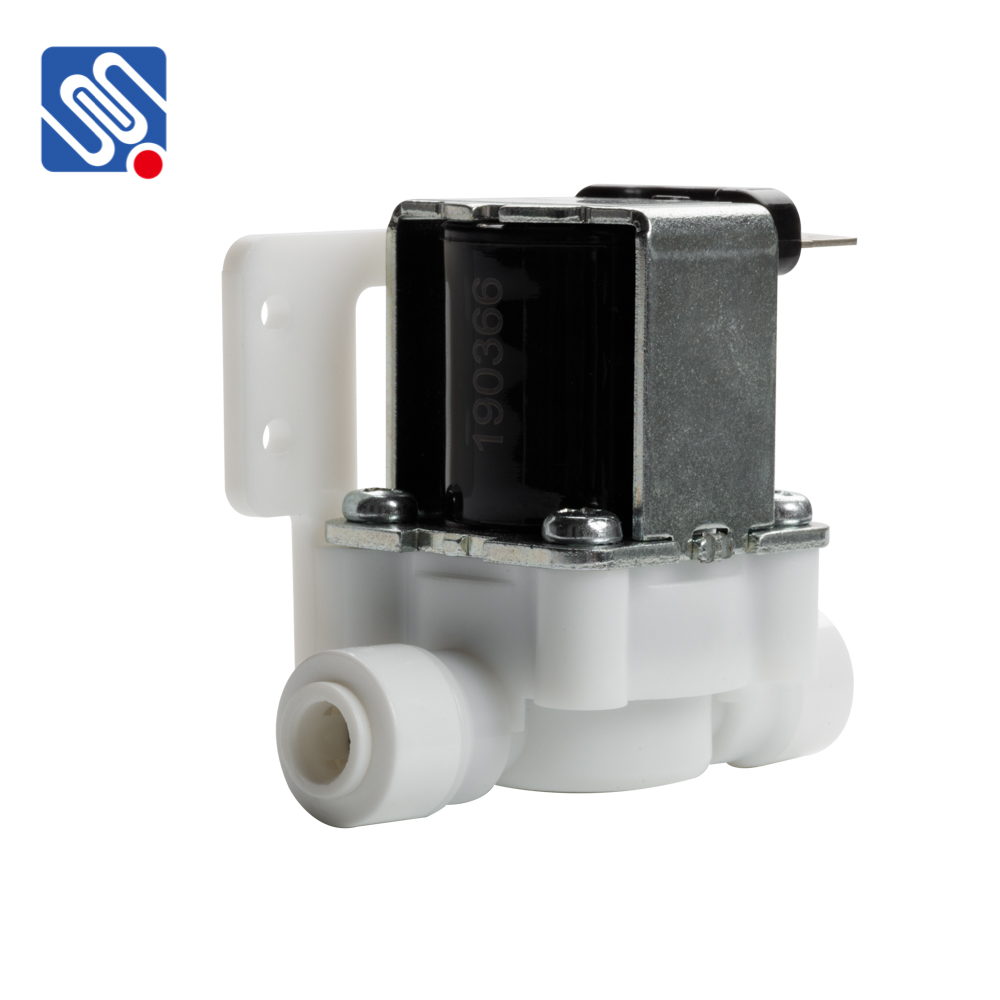
What is a Solenoid Valve? A solenoid valve is an electromechanical device that controls the flow of fluids. It works by using an electromagnetic coil to actuate the valve opening or closing. When electrical current passes through the coil, it creates a magnetic field that moves a plunger or diaphragm within the valve, thereby regulating fluid flow. In reverse osmosis systems, these valves are crucial for managing water intake and discharge effectively. Functionality in Reverse Osmosis Systems The primary role of a Reverse Osmosis Solenoid Valve is to manage the flow of water in various stages of the filtration and purification process. Here’s how these valves typically function within an RO system: