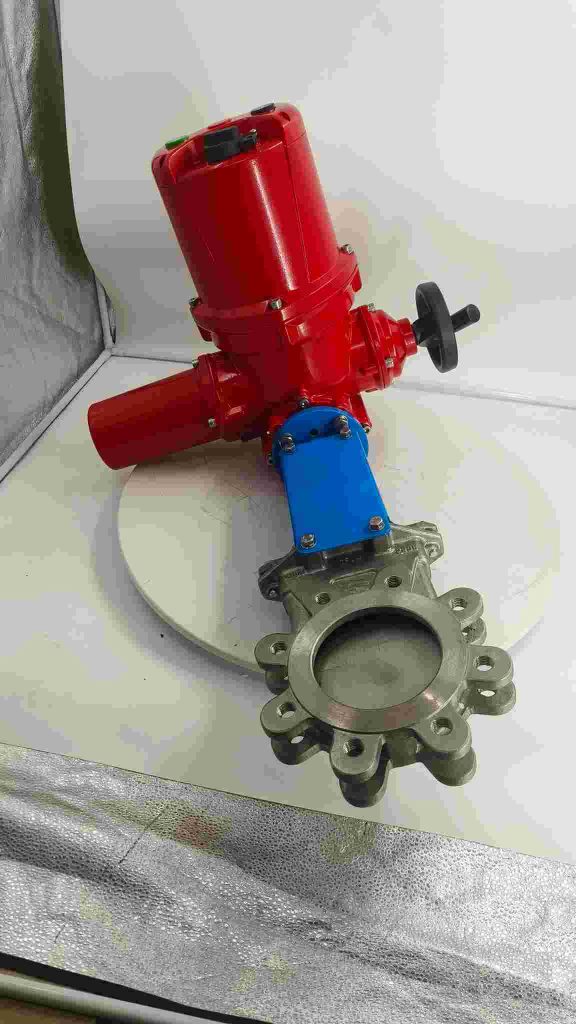
Lithium battery electric gate valves represent a significant advancement in valve technology, offering a reliable, energy-efficient, and cost-effective solution for automated control in various industries. These valves utilize an electric actuator powered by a lithium-ion battery, which eliminates the need for an external power source, making them particularly valuable for remote locations or applications where conventional power supplies are not feasible. In this article, we will explore the key features, applications, and benefits of lithium battery electric gate valves, as well as their potential to revolutionize industrial automation.
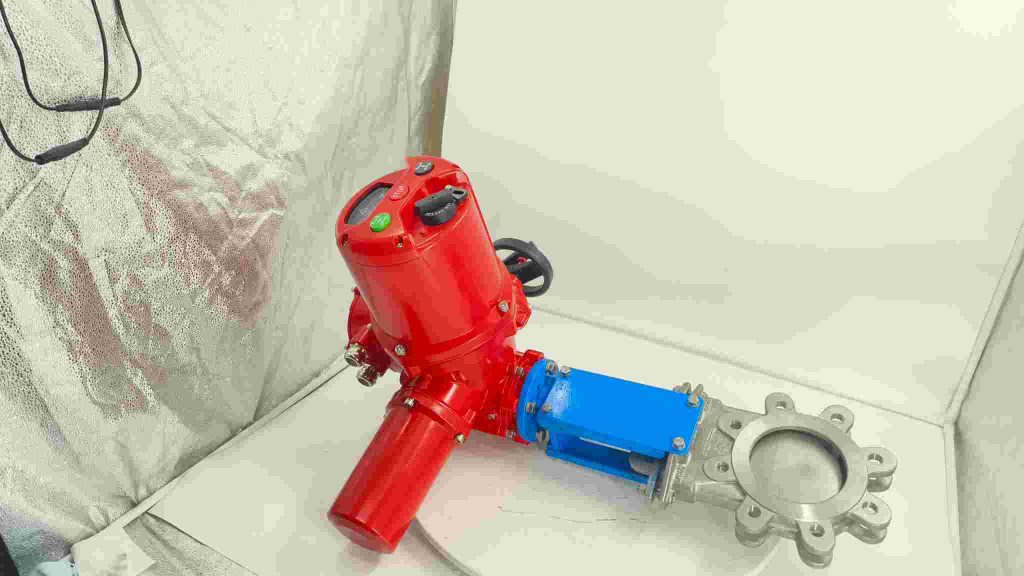
What is a Lithium Battery Electric Gate Valve?
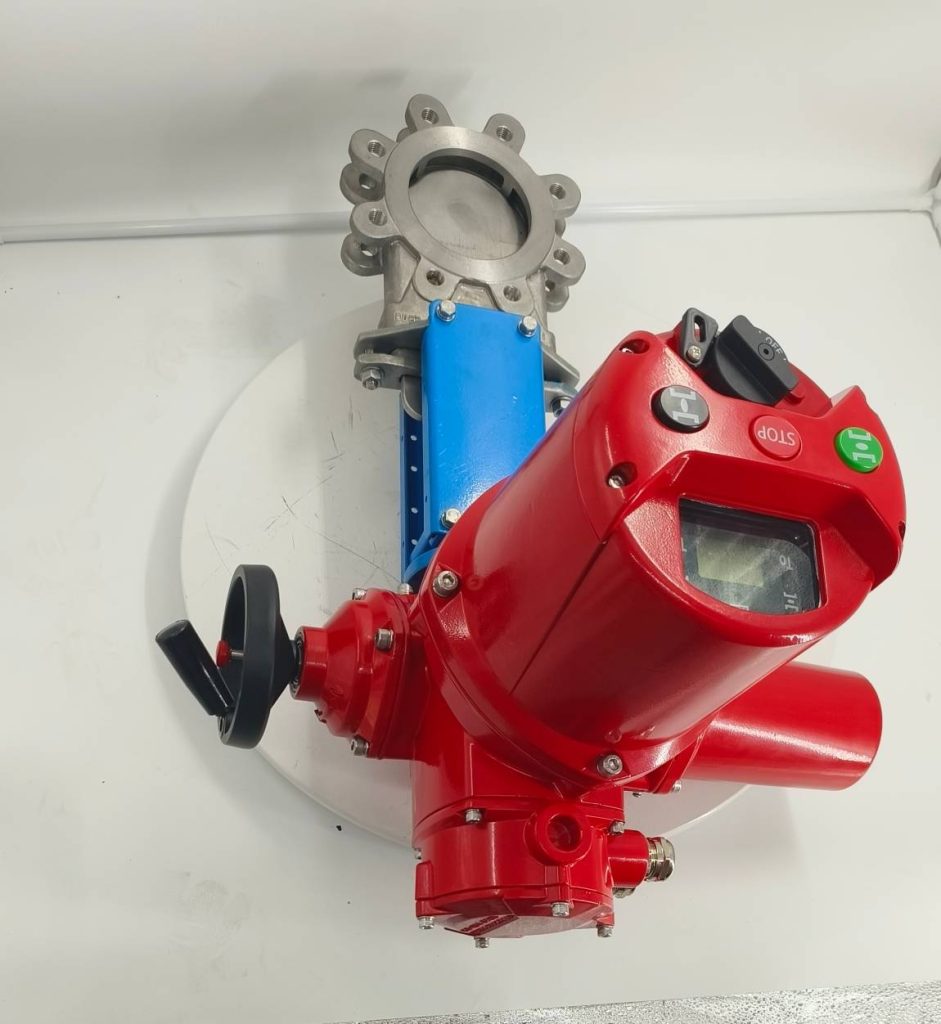
A lithium battery electric gate valve is a type of valve that uses an electric actuator powered by a lithium-ion battery to control the flow of liquids or gases through pipelines. The actuator opens and closes the valve based on electronic signals, which can be triggered remotely, providing precise control over the valve’s operation. The lithium-ion battery serves as the power source for the electric actuator, offering a compact, long-lasting, and high-energy-density alternative to traditional power supplies such as AC or DC power. Key Features of Lithium Battery Electric Gate Valves Energy Independence: One of the main advantages of lithium battery electric gate valves is their ability to operate without a direct connection to the grid. The lithium-ion battery provides a reliable power source, allowing the valve to be installed in locations where access to electricity is difficult or impossible. This feature makes lithium battery electric gate valves particularly useful in remote locations, offshore platforms, or harsh environments where traditional power sources may be impractical.