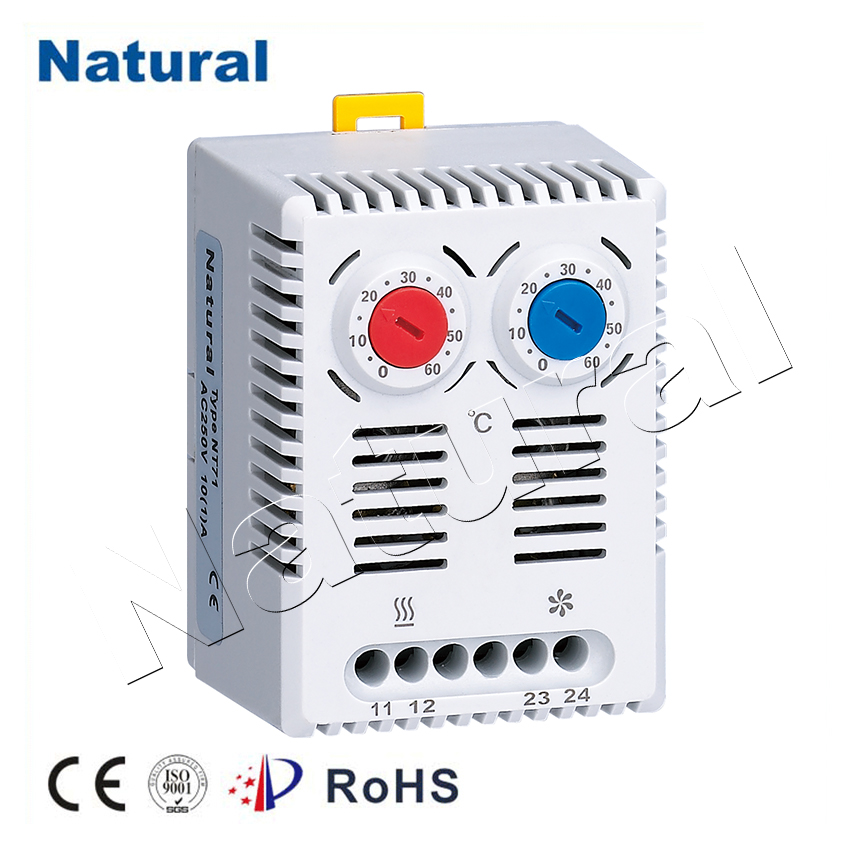
In modern homes and commercial spaces, maintaining optimal temperature control is crucial for comfort and energy efficiency. One advanced solution that has gained popularity in recent years is the dual thermostat system. This technology offers enhanced climate control by managing different areas or zones independently, providing both comfort and energy savings. This article explores the benefits, functionality, and considerations associated with dual thermostat systems.
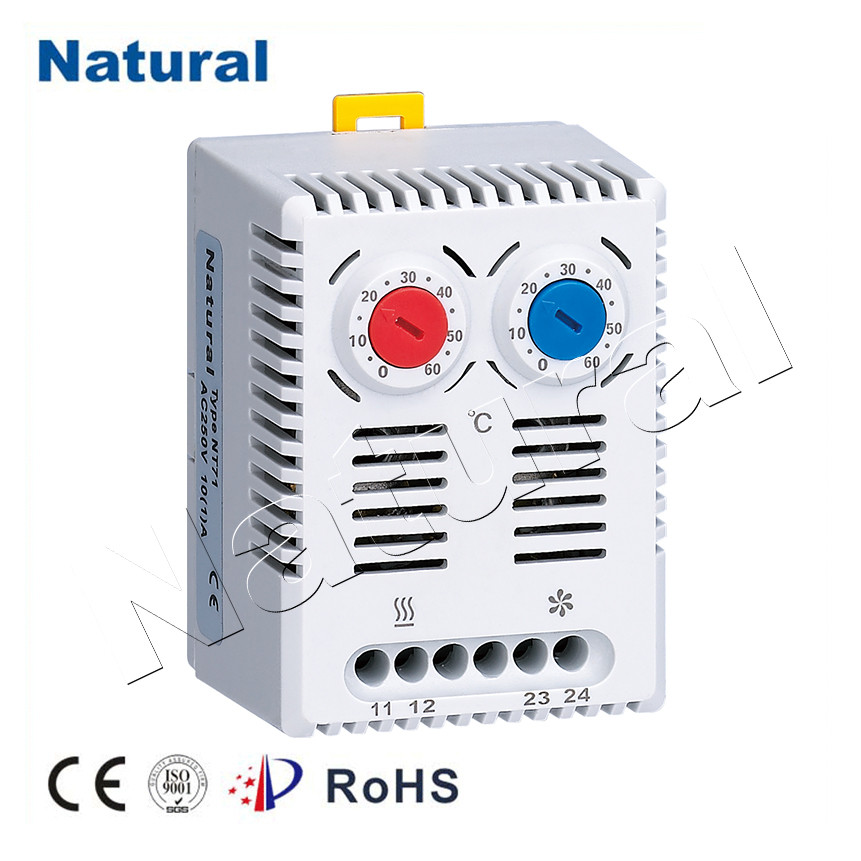
What is a Dual Thermostat System?
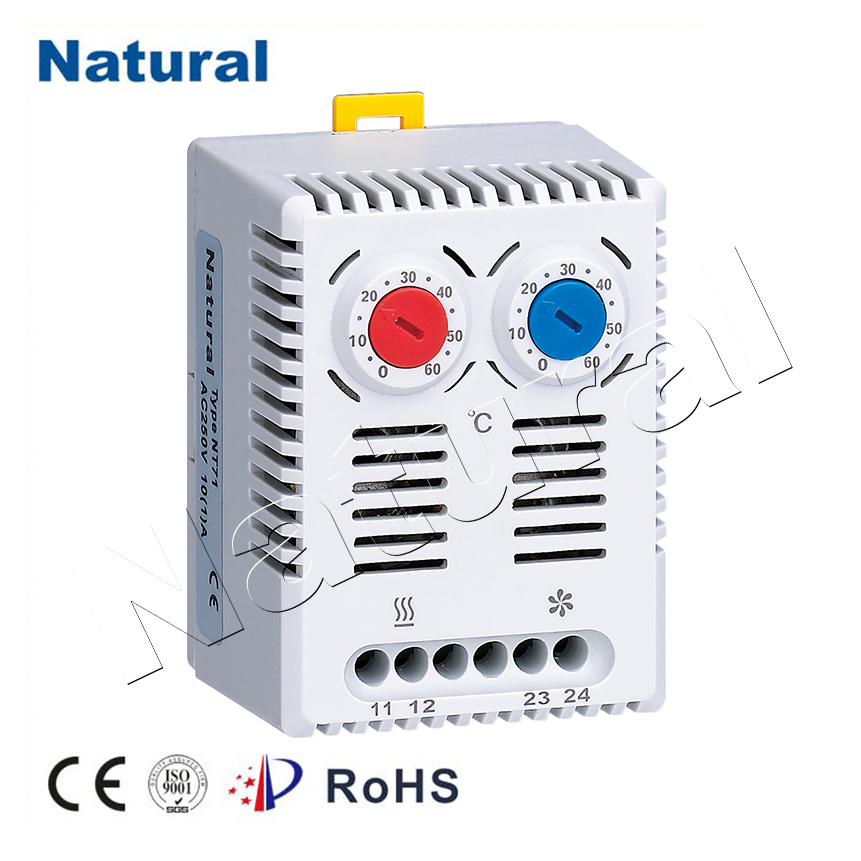
A dual thermostat system, as the name suggests, involves the use of two separate thermostats to control the temperature of different zones within a building. Unlike traditional single-thermostat systems that manage the entire space from one central point, dual thermostat systems allow for more precise control by regulating multiple areas independently. This can be particularly advantageous in larger homes or commercial buildings with varying temperature needs. How Does It Work? The dual thermostat system operates by dividing a building into distinct zones, each equipped with its own thermostat. Each thermostat controls a separate heating and cooling system or a different section of a central system. For instance, in a multi-story home, one thermostat might regulate the upper floor while another manages the lower floor. This zoning approach ensures that each area is maintained at the desired temperature without affecting the others.