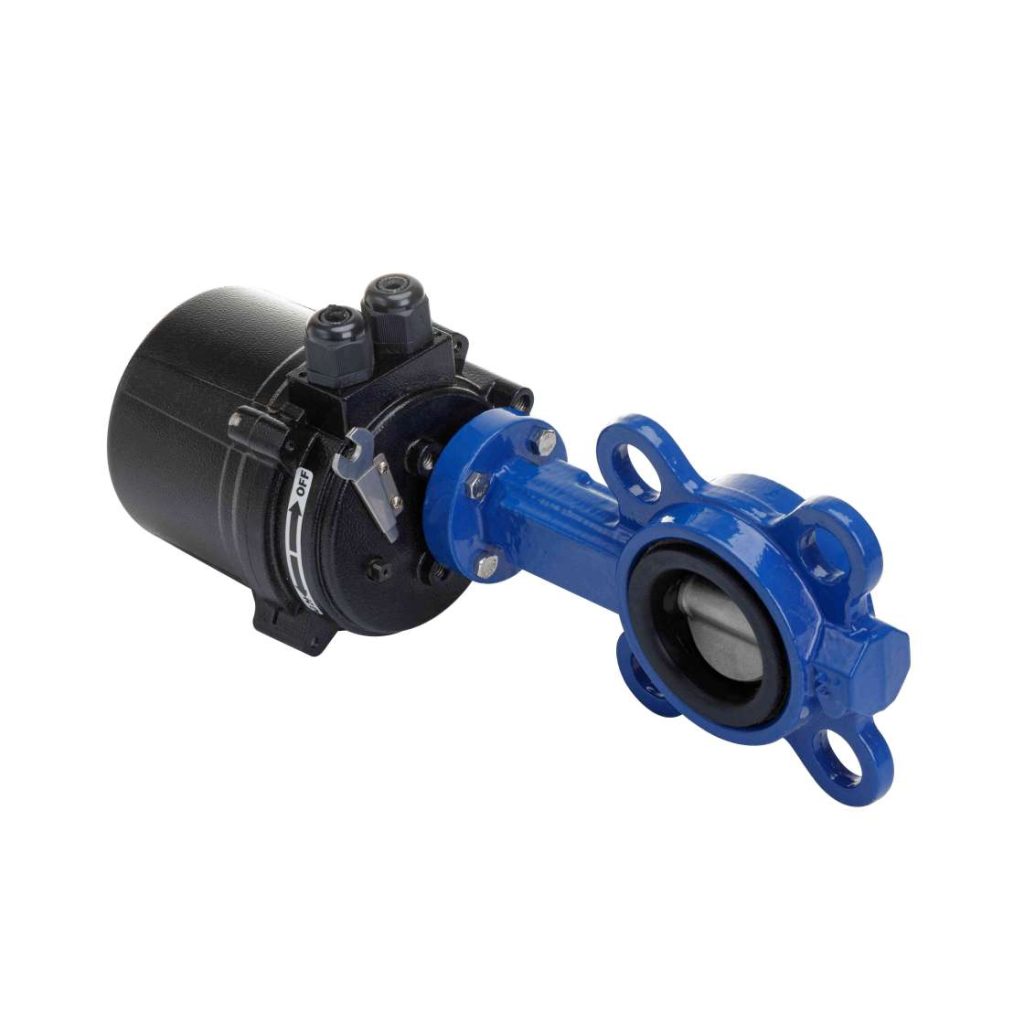
The WCB Electric Butterfly Valve is an essential component used in a wide variety of fluid control systems. Known for its robust performance, efficiency, and versatility, this valve is favored across industries such as water treatment, oil and gas, chemical manufacturing, and HVAC systems. In this article, we’ll explore the features, benefits, and applications of the WCB Electric Butterfly Valve, as well as why it’s a popular choice among engineers and operators.
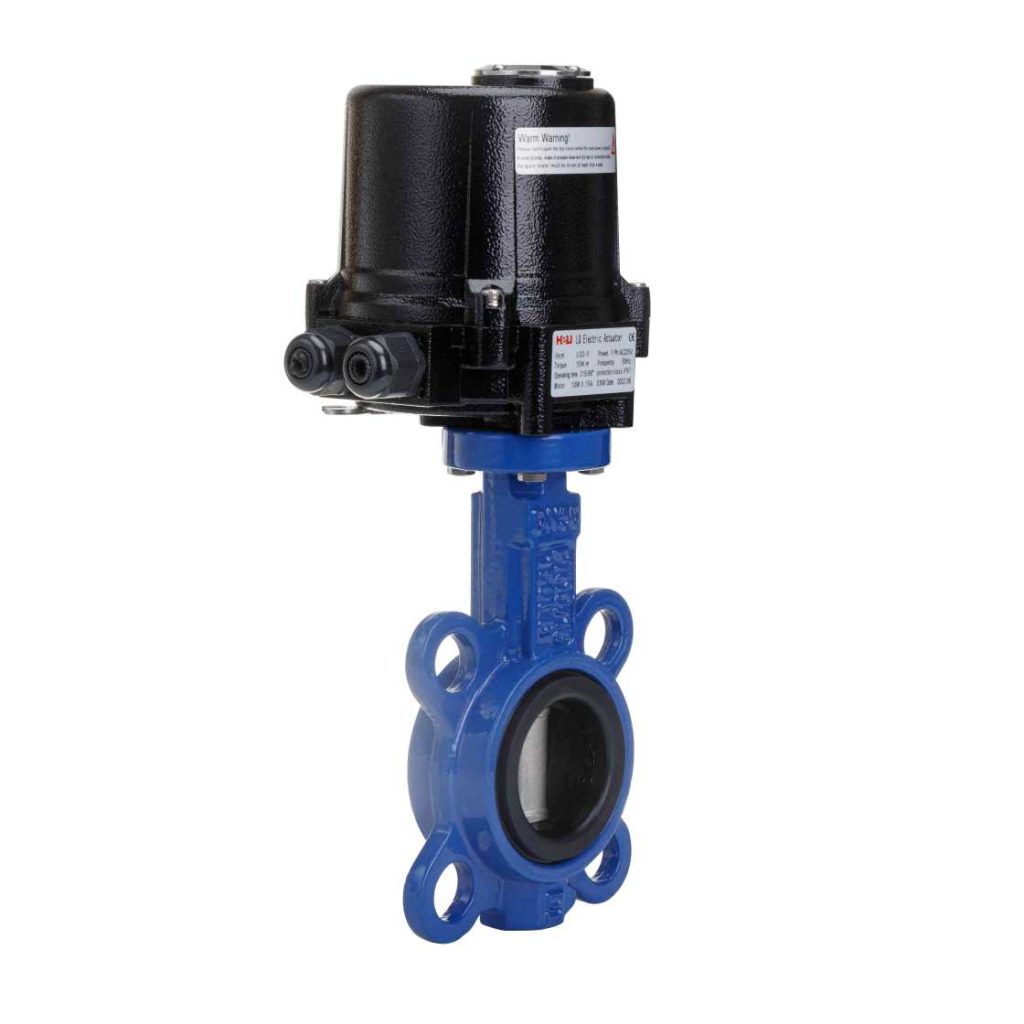
What is a WCB Electric Butterfly Valve?
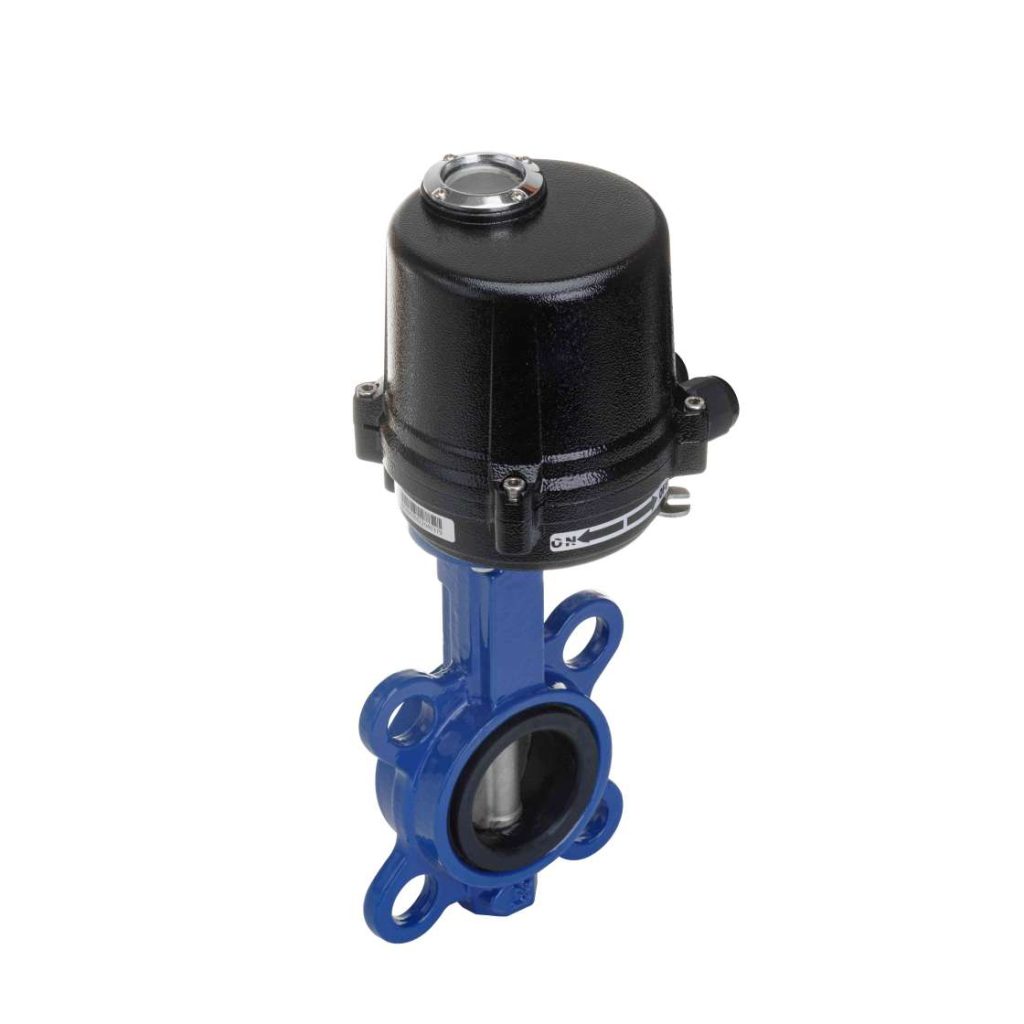
A WCB Electric Butterfly Valve is a type of valve that is primarily used to control the flow of liquids, gases, and slurries through pipelines. The term “WCB” refers to the material used for the valve body, which is typically carbon steel that is heat-treated to provide strength and durability. “Electric” refers to the valve’s actuation mechanism, which is powered by an electric motor instead of manual or pneumatic power. The valve’s primary function is to regulate or shut off flow by rotating a disc within the valve body. The disc inside the valve is mounted on a shaft that is connected to an electric actuator. The actuator allows for precise and automated control of the valve, making it easier to manage flow rates without requiring manual intervention. This automated control is particularly beneficial in industries where system efficiency and safety are critical.