In recent years, the automotive industry has witnessed a significant shift towards electrification, with new energy vehicles (NEVs) gaining prominence as a sustainable alternative to traditional internal combustion engine vehicles. As the demand for NEVs rises, innovative technologies such as Solid-State Relays (SSR) are playing a critical role in optimizing performance, enhancing safety, and improving energy efficiency in the evolving landscape of electric mobility. In this article, we will explore the concept of SSR for New Energy Vehicles, its implications, and its future prospects.
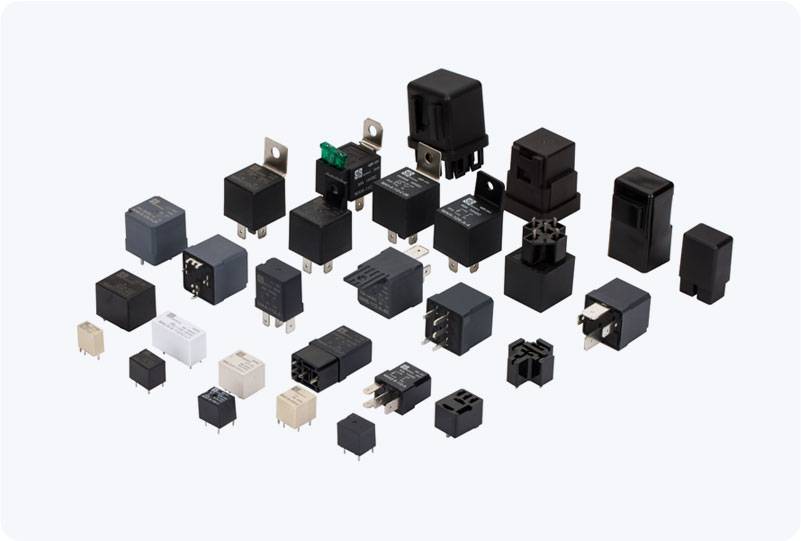
Understanding Solid-State Relays (SSR) Solid-state relays are electronic switching devices that utilize semiconductor components to perform the functions of traditional electromechanical relays. Unlike conventional relays that use mechanical contacts to open and close circuits, SSRs employ optoisolators and power switches such as MOSFETs, IGBTs, or thyristors. This absence of moving parts results in a multitude of advantages, making SSRs an attractive option for various applications, particularly in the realm of NEVs. Advantages of SSR in New Energy Vehicles Improved Reliability and Longevity: One of the standout benefits of SSRs is their durability. Since SSRs lack mechanical contacts, they are less prone to wear and tear. This extended lifespan is crucial for NEVs, where reliable performance is paramount for both manufacturers and consumers. As NEVs operate under diverse environmental conditions, the ability of SSRs to maintain operational integrity over time is a valuable asset.