In various industrial settings, safety is paramount, especially when dealing with hazardous materials, high pressure, and complex machinery. One vital safety component that has garnered attention in recent years is the Safety Valve Lock application. This equipment plays a crucial role in preventing accidental valve operation and ensuring that personnel can perform maintenance and troubleshooting in a safe environment. This article explores the functionalities, benefits, and applications of Safety Valve Lock systems in enhancing industrial safety.
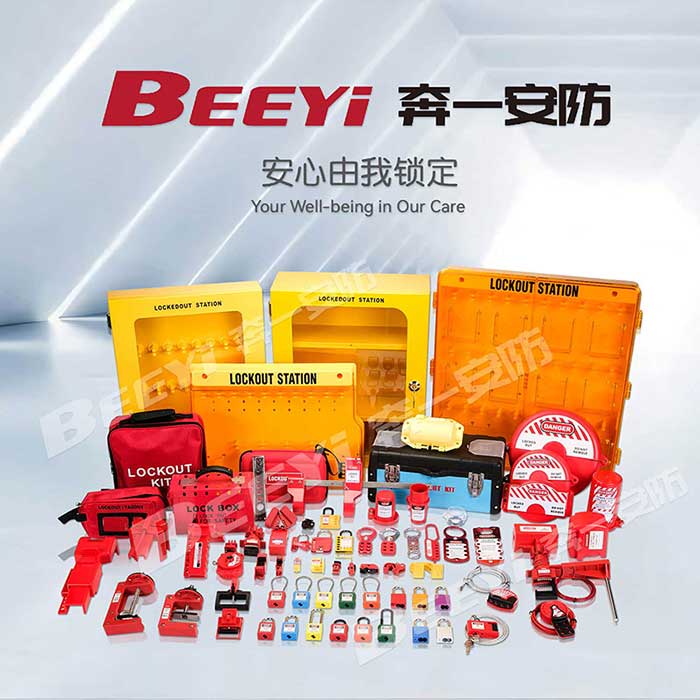
At its core, a Safety Valve Lock is a device designed to secure safety valves in a closed position, effectively preventing accidental releases of pressure or dangerous fluids during maintenance work. These systems are used across multiple sectors—such as oil and gas, chemical manufacturing, pharmaceuticals, and food processing—where the potential consequences of unintended valve activation can be catastrophic. The Importance of Safety Valve Lock Applications The primary reason for implementing Safety Valve Lock applications is to mitigate the risks associated with unexpected valve operation. When maintenance personnel engage with machinery, they rely on locks to keep valves secure. This not only protects the personnel from hazardous conditions but also safeguards the operational integrity of the facility. In line with strict industry regulations, locking mechanisms are not merely optional; they are often mandatory to comply with safety standards.