A switch relay is a crucial component in electrical circuits, used to control the flow of electricity between different parts of a system. The device acts as an intermediary, allowing a low-power signal to control the operation of high-power systems. This functionality makes switch relays indispensable in numerous industries, including automotive, industrial automation, and consumer electronics. In this article, we will explore the working principles, types, and various applications of switch relays, as well as their advantages in modern electrical systems.
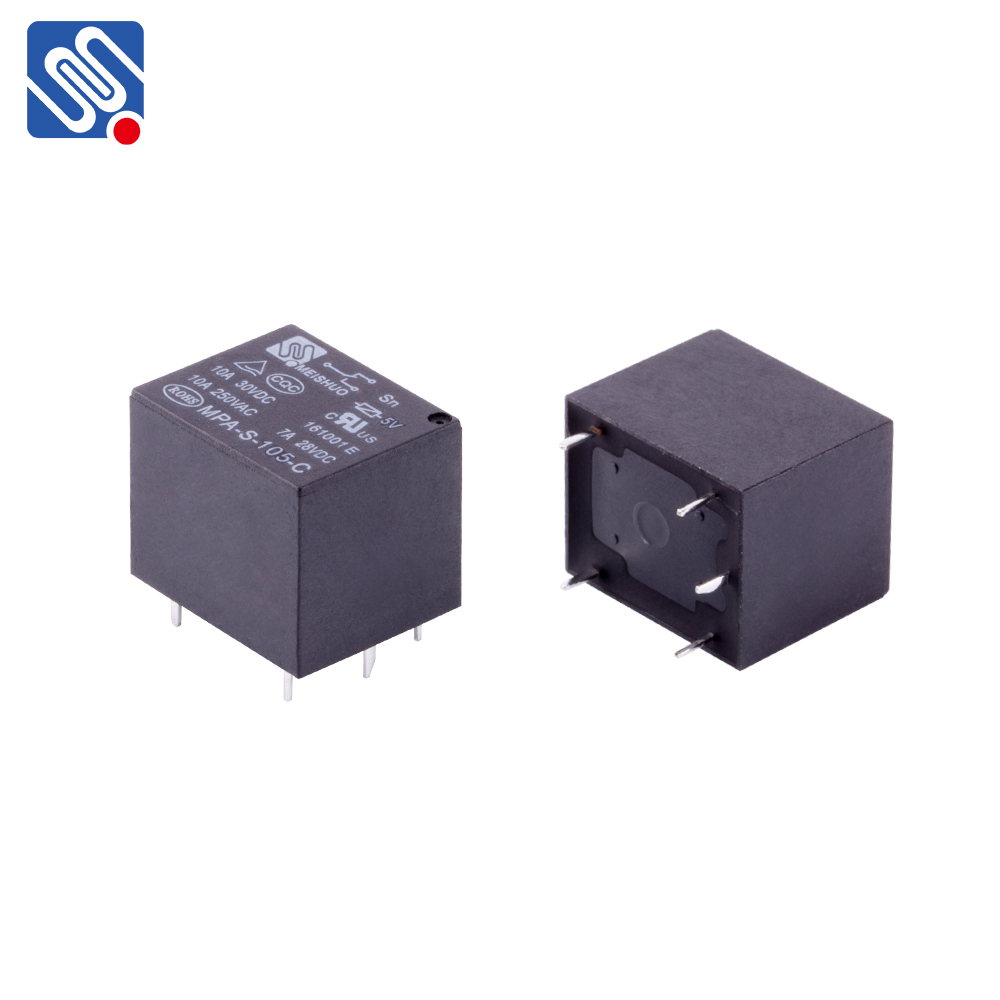
What is a Switch Relay? A switch relay, often referred to simply as a relay, is an electrically operated switch that opens or closes a circuit when an electrical current passes through a coil. When the relay is energized, the magnetic field generated by the coil attracts a switch arm, either completing or breaking the circuit. This allows the relay to control larger electrical devices by using a small input signal, making it ideal for applications that require a high degree of automation or remote control. How Does a Switch Relay Work? At the heart of a switch relay is the electromagnet, which is responsible for activating the relay. When an electric current flows through the coil, it generates a magnetic field that pulls a movable arm (often called the armature) toward a set of contacts. This movement either closes or opens the circuit, depending on the relay’s design.