In the world of electrical engineering, computing, and communication, “relay” plays a crucial role in making systems more efficient and safe. Whether it’s controlling high-power circuits with low-power signals, routing network traffic, or facilitating automation in industries, relays provide a foundation for both everyday applications and cutting-edge technologies. This article explores the concept of relay in various domains and discusses its importance, functionality, and uses.
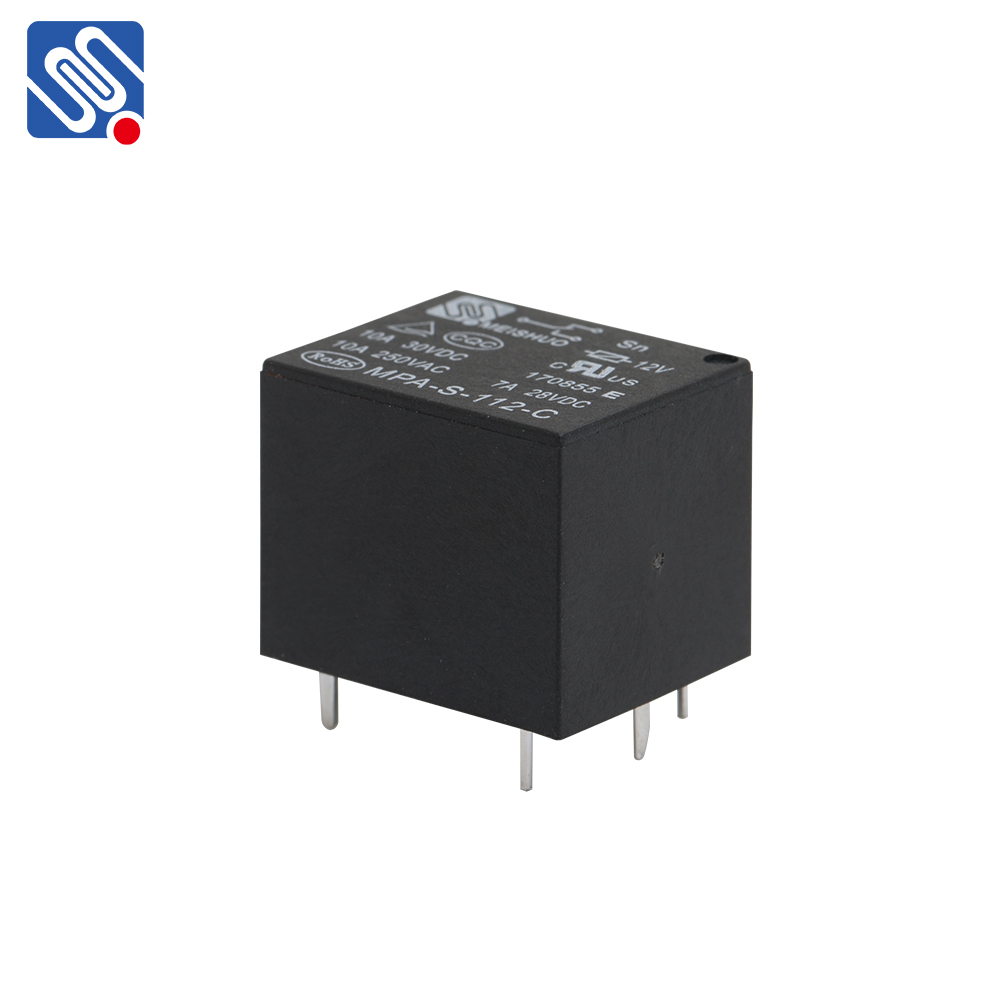
What is a Relay? At its core, a relay is an electrically operated switch that allows one circuit to control the operation of another. It is designed to use a small current to control a larger current, thus providing a way to separate control and power circuits. Relays are composed of an electromagnet, a set of contacts, and a spring. When an electrical current flows through the electromagnet, it generates a magnetic field that pulls or releases the contacts, thereby closing or opening the circuit. Relays can function in many different forms, such as mechanical, solid-state, and hybrid, each serving unique purposes. Despite their different constructions, they all share a common goal: to provide an efficient means of switching.