A Hot Water Solenoid Valve is a vital component in various systems that require controlled hot water flow. From home appliances like water heaters to industrial machinery, this device ensures that hot water is delivered efficiently, reliably, and at the correct temperature. In this article, we will explore the basic working principles of a hot water solenoid valve, its key components, common applications, and the advantages it offers to both domestic and industrial water systems.
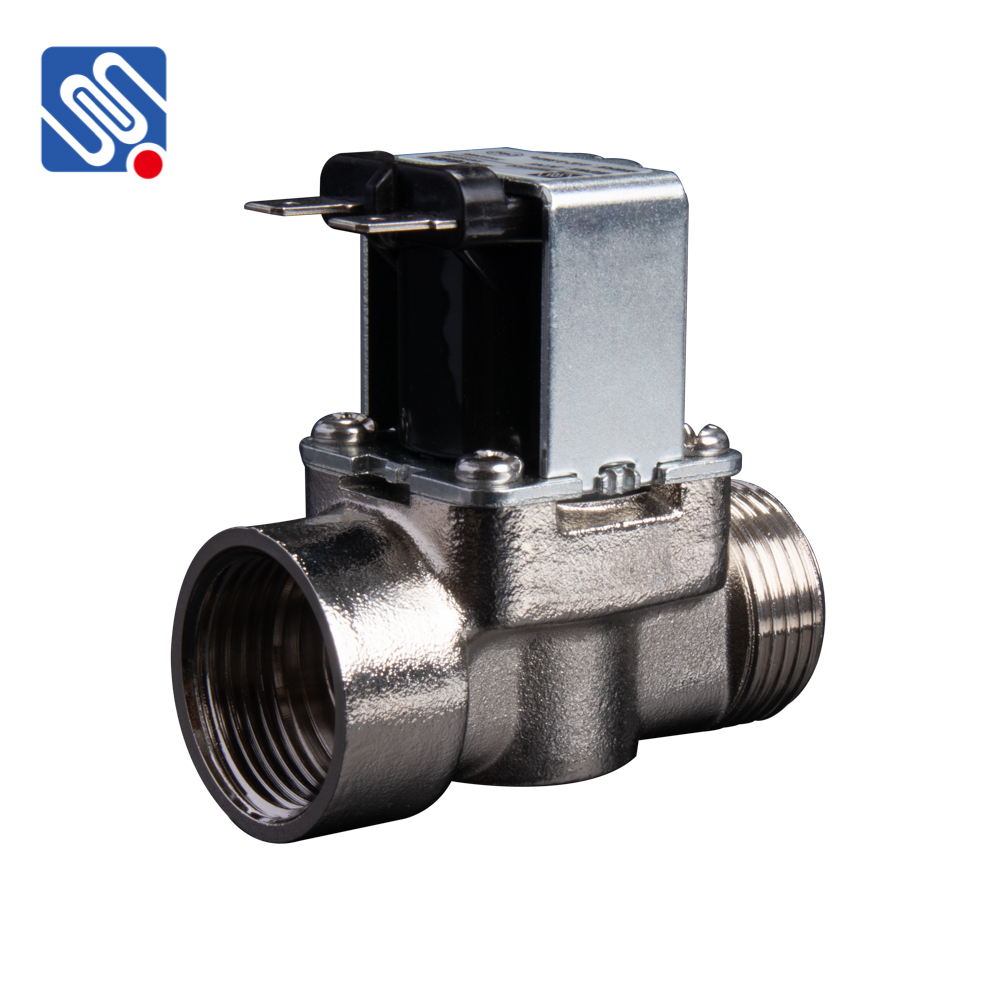
What is a Hot Water Solenoid Valve? A solenoid valve is an electromechanical valve that controls the flow of liquid or gas through a pipe. The hot water solenoid valve specifically manages the flow of hot water. The core mechanism involves a solenoid, which is a coil of wire that generates a magnetic field when an electric current is applied. This magnetic force is used to control the opening and closing of the valve. In essence, when the solenoid is energized, it opens the valve to allow water to flow, and when the solenoid is de-energized, the valve closes, cutting off the flow of water.