In today’s rapidly advancing technological landscape, electrical systems are ubiquitous, powering everything from household appliances to industrial machinery. At the heart of these systems are various components that manage and control electrical currents, and one critical component is the High Current Power Relay (HCPR). This article delves into the details of HCPRs, exploring their function, design considerations, and diverse applications.
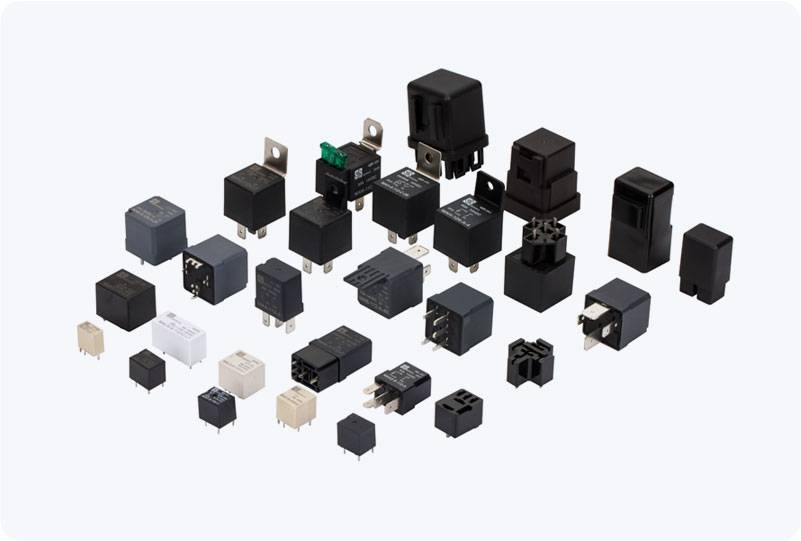
Understanding High Current Power Relays A High Current Power Relay is an electromechanical switch designed to control high amounts of current and voltage with a lower power control signal. These relays make it possible to switch power to large electrical loads, ensuring safe and efficient operation. Unlike regular relays, HCPRs are engineered to handle higher currents—often rated for several amperes or even hundreds of amperes—while providing electrical isolation between the control and power circuits. Working Principle The basic operation of a High Current Power Relay hinges on electromagnetic principles. When a control voltage (which can be significantly lower than the voltage powering the load) is applied to the relay’s coil, it activates an electromagnetic field. This magnetic field pulls a movable armature, which then opens or closes contacts, allowing or interrupting the flow of current to the connected load. This mechanism allows for the effective handling of high power loads without directly exposing control circuits to high voltages and currents.