A 12V automotive relay is an essential component in modern vehicles, allowing for efficient control of electrical circuits and the management of high-power devices. These relays serve as switches that enable small control signals to operate larger electrical loads, which are crucial for various automotive systems. In this article, we’ll explore how a 12V automotive relay works, the different types of relays, and their practical applications in the automotive industry.
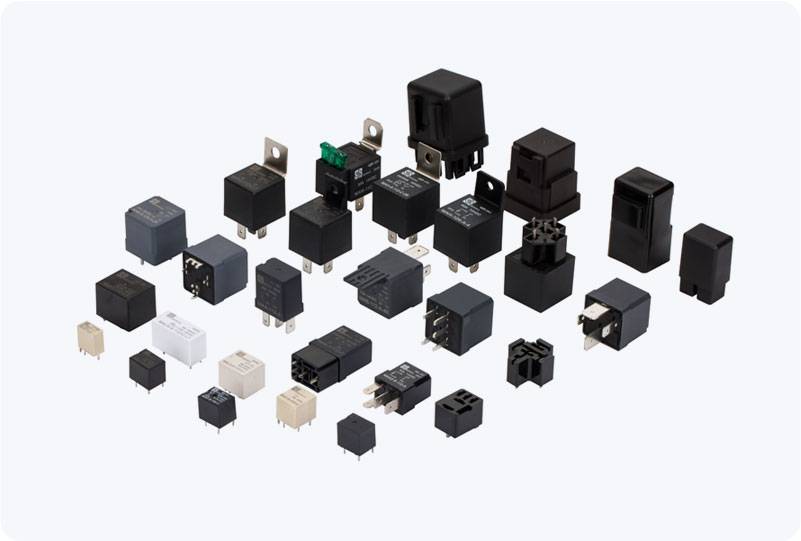
What is a 12V Automotive Relay? At its core, a 12V automotive relay is an electromagnetic switch that uses a low-voltage control circuit to operate a high-power circuit. It typically works with a 12-volt power supply, which is the standard voltage for most automotive electrical systems. The relay consists of an electromagnet, a spring-loaded arm, and multiple contacts. When current flows through the coil of the relay, it generates a magnetic field, pulling the arm to either close or open the contacts, thereby controlling the flow of electricity in the circuit. These relays are widely used in vehicles to control various electrical components, such as lights, wipers, electric windows, and even the engine’s starting mechanism. By using a small control signal to activate a much larger current, a relay allows the vehicle’s sensitive electronic circuits to control high-power devices without risking damage to the delicate electronics.